A steaming ramen bowl can look simple: noodles, broth, toppings, and a soft egg. But if you are wondering, does ramen contain pork, the honest answer is sometimes – and often more than diners expect. Pork may shape the broth, sit on top as tender chashu, or appear in smaller ingredients that are easy to miss.
That does not mean every ramen bowl is off the table if you do not eat pork. Ramen is wonderfully varied, and a good ramen house should be able to tell you what is in the bowl before the first noodle hits your chopsticks.
Does Ramen Contain Pork in Every Bowl?
No. Ramen is a style of noodle soup, not one fixed recipe. Its character comes from the combination of broth, seasoning, noodles, aromatic oil, and toppings. Any of those elements can be made with pork, chicken, beef, seafood, vegetables, or a mix of ingredients.
Still, pork is common in many classic ramen styles. It brings richness, body, and a savory depth that people associate with an especially satisfying bowl. If your goal is to avoid pork for religious, ethical, allergy-related, or personal reasons, it is best not to judge a ramen by its name or appearance alone.
A bowl topped with chicken can still have a pork-based broth. A clear-looking soup may contain pork stock. Even a vegetarian-looking bowl can share preparation equipment or include a seasoning made with animal ingredients, depending on the restaurant. Clear questions make ordering easier and let the kitchen guide you to the right choice.
Where Pork Shows Up in Ramen
Tonkotsu broth
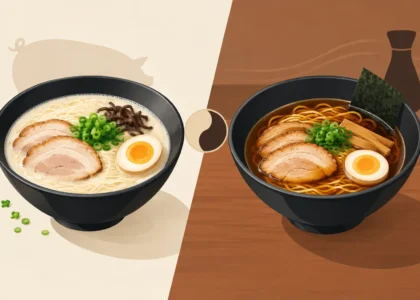
Tonkotsu is the ramen style most strongly connected with pork. The word tonkotsu refers to pork bones, which are simmered for hours to create a pale, creamy broth. The long cooking process pulls out gelatin, fat, and flavor, producing that famously full-bodied texture.
Tonkotsu is a great choice when you want a deep, comforting, rich bowl. It is not the choice for anyone avoiding pork. Even if the bowl does not come with visible meat, the broth itself is pork-based.
Chashu pork
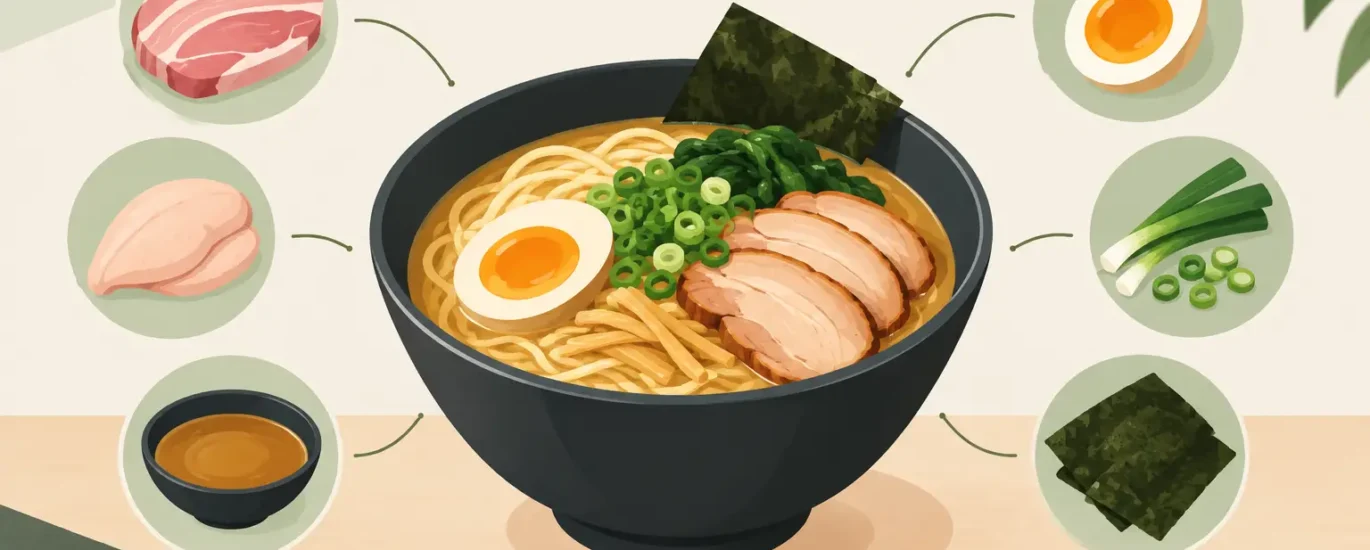
Chashu is the glossy, tender sliced meat often draped over ramen noodles. In many ramen shops, it is made from braised or roasted pork belly or pork shoulder. Its savory sweetness plays beautifully against hot broth, springy noodles, and a soft egg.
Chashu is common, but it is not mandatory. Restaurants may offer chicken, beef, tofu, mushrooms, or extra vegetables as alternatives. The key detail is that swapping the topping does not automatically change the broth underneath it.
Broth blends and aromatic oils
Shoyu ramen, seasoned with soy sauce, can be made with chicken stock, pork stock, seafood stock, or a blend. Miso ramen can be equally flexible. Its hearty flavor comes from fermented miso paste, but the soup base may still include pork or another animal stock.
Pork fat or lard may also be added as an aromatic oil for extra fragrance and richness. It can be a small component, yet it matters if you need a completely pork-free meal. Ask whether the broth, seasoning oil, and garnish are prepared without pork rather than asking only whether the bowl includes pork slices.
Seasonings and side dishes
Some ramen sauces, dumpling fillings, fried toppings, and side dishes may contain pork, pork fat, or meat stock. Gyoza are especially worth checking, because pork is a traditional filling in many versions. Spicy pastes and house sauces can also be made from recipes that vary from one kitchen to the next.
This is why a quick conversation before ordering is more useful than guessing. It protects your meal and helps the staff recommend something that still feels complete and delicious.
Common Ramen Styles and What to Expect
Knowing a few menu terms can help you spot likely pork ingredients without turning dinner into homework.
Tonkotsu ramen almost always contains pork because its defining broth is made from pork bones. It may also include chashu, but the broth alone makes it unsuitable for pork-free diets.
Shoyu ramen means soy sauce ramen. It is often lighter and clearer than tonkotsu, but it is not automatically vegetarian or pork-free. The stock could be chicken, pork, seafood, or a combination.
Miso ramen has a savory, slightly sweet, deeply warming profile. Miso itself is plant-based, but the base behind it determines whether the finished bowl contains pork.
Shio ramen is salt-seasoned ramen, usually clean-tasting and pale in color. It may use chicken, seafood, pork, or vegetable stock. Ask instead of assuming that a lighter broth means no meat.
Vegetable or vegan ramen is the most promising place to start if you avoid pork, but labels matter. A true vegan bowl should contain no animal broth, meat, egg, dairy, or animal fat. A vegetarian bowl may still include egg or dairy, and some restaurants use the term differently, so a quick confirmation is still wise.
How to Order Pork-Free Ramen With Confidence
The easiest approach is direct and specific. Tell your server that you do not eat pork, then ask whether the broth contains pork bones, pork stock, lard, or pork-based seasoning. If you have an allergy or a strict dietary requirement, say so clearly and ask about cross-contact in the kitchen.
It also helps to ask two separate questions: what is in the broth, and what is in the toppings? That distinction catches the most common surprise. Removing chashu from a tonkotsu bowl does not make it pork-free, while a chicken-topped shoyu bowl may or may not be suitable depending on the stock.
For packaged instant ramen, read the ingredient label rather than relying on the flavor name. “Chicken” or “soy sauce” varieties can include pork extract, pork fat, gelatin, or meat powder. Labels and regional recipes differ, so the package in your hand is the only one that matters.
If you eat pork but have guests who do not, consider the full table experience as well. Choosing a restaurant with clearly described bowls and helpful staff means everyone can settle in, order confidently, and enjoy the meal together.
Pork in Ramen Is About Flavor, Not a Rule
Pork has earned its place in ramen because it creates a broth with serious depth and a topping that feels luxuriously tender. A well-made tonkotsu bowl, with rich broth, chewy noodles, and slices of chashu, is Japanese comfort food at its most generous. At Kagerou Ramen House, that kind of satisfying, carefully presented bowl is part of the experience.
But ramen does not need pork to be memorable. Chicken broth can be clean and savory. Seafood can bring briny umami. Miso and roasted vegetables can create warmth and complexity. The best bowl is not defined by one ingredient. It is the one that suits your appetite and leaves you comfortably full.
When in doubt, ask before you order, then choose the bowl you can enjoy without second-guessing. Ramen should feel like comfort from the first sip of broth to the last bite of noodles.