Eight people, five different appetites, one birthday cake waiting at home, and a group chat full of “I’m fine with anything.” This is exactly when a restaurant choice matters. A search for Japanese group dining Tallinn should lead to more than a place that can fit everyone at one table. It should lead to food people are genuinely excited to eat, a setting where conversation can last, and a plan that feels easy from the first reservation to the final spoonful of broth.
Japanese comfort food is a strong answer for casual celebrations, team dinners, visitor meetups, and those long-overdue nights out with friends. Ramen gives each guest a satisfying main dish, while sashimi, gyoza, and noodles bring variety to the center of the table. It is filling without being overly formal, familiar enough for first-timers, and memorable enough for people who know exactly what a great bowl should taste like.
Why Japanese Group Dining in Tallinn Works So Well
The best group meal has a simple job: make everyone feel looked after without turning dinner into a negotiation. Japanese dining does that naturally. One person can settle into a rich tonkotsu ramen with tender chashu, while another chooses a lighter shoyu-based bowl. Guests who want something to share can start with crisp, satisfying gyoza or fresh tuna sashimi.
That balance is especially useful when your group includes different levels of Japanese-food experience. Nobody needs a long explanation before ordering. A deeply flavored broth, properly prepared noodles, and a plate of dumplings speak for themselves. At the same time, diners who already love ramen can appreciate the details that make a bowl worth coming back for: the aroma as it arrives, the spring of the noodles, the savory depth of the broth, and toppings that are more than an afterthought.
For Tallinn locals, it is an easy way to turn an ordinary weeknight into a real occasion. For visitors, it offers a warm, flavorful stop between exploring the city and heading out for the evening. The atmosphere matters as much as the menu. A cozy table and friendly service give a group space to slow down, tell stories, and leave with full bellies instead of checking the clock.
Start With the Occasion, Not Just the Headcount
A group dinner for coworkers feels different from a family gathering, and a birthday meal calls for a different pace than a quick dinner before an event. Before choosing where to eat, decide what you want the evening to feel like.
For a casual team dinner, look for a restaurant where people can order confidently and settle in without a formal schedule. Ramen is ideal here because every guest gets a complete, comforting meal, yet the table can still share starters. It keeps the mood social without requiring everyone to commit to the same dish.
For a birthday or reunion, the priority is usually time together. Choose a place with table reservations so the group is not split up or left waiting around hungry. A reservation also gives the host one less thing to manage. Instead of fielding messages about where everyone should meet, you can give the group a clear time, location, and plan.
If you are hosting visiting friends, think about what will feel distinctly enjoyable rather than merely convenient. A well-presented ramen bowl has instant appeal, but the experience goes further when the broth is rich, the chashu is tender, and the restaurant feels welcoming from the moment your group walks in.
Build a Table With Both Bowls and Shared Plates
A table full of identical meals can be satisfying. A table with a few shared dishes has more energy. The right mix lets guests try something new while still having a bowl or plate that feels entirely their own.
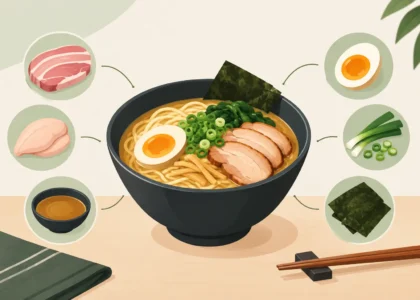
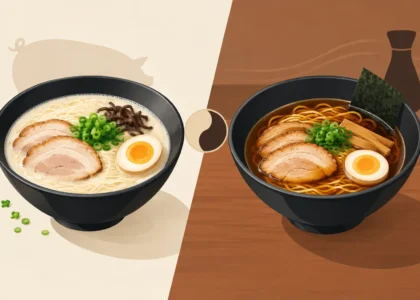
Start with individual ramen bowls as the center of the meal. Tonkotsu ramen is often the move for guests craving a rich, comforting dinner with plenty of savory depth. Shoyu ramen can suit diners who prefer a cleaner, soy-forward flavor. If someone is less familiar with ramen, a simple description can help: one is deep and creamy in character, while the other tends to be lighter and more aromatic.
Then add a few plates for the middle. Gyoza are a natural choice for groups because they are easy to share and easy to love. Tuna sashimi brings freshness and contrast, especially alongside a hearty broth. Additional noodle dishes can also make sense when guests want something different from a soup-based bowl.
There is a trade-off, of course. If your group is small and everyone arrives very hungry, too many starters can make the table crowded and delay the main event. For a larger group or a relaxed gathering, shared plates create a better rhythm. Order enough to give people a taste, then let the ramen do what ramen does best: make everyone feel properly fed.
Make Reservations Part of the Plan
The difference between a smooth group dinner and a frustrating one is often decided before anyone reaches the restaurant. Reservations are especially helpful for evening plans, weekends, and groups that need to sit together. They are also useful when timing matters, such as a dinner before a show, a work gathering after office hours, or a meet-up with friends arriving from different parts of Tallinn.
When reserving, have a realistic guest count and a clear arrival time. If the number may change, give the restaurant as much notice as possible. It is a small courtesy that helps the team prepare the room and keeps your table comfortable.
It also helps to tell guests what kind of meal they can expect. “We’re getting ramen and sharing gyoza” is more useful than “Japanese food.” People can arrive ready to order, and anyone with a preference has time to look at the menu beforehand. A little clarity makes the whole group more relaxed.
At Kagerou Ramen House, the experience is built for exactly this kind of meal: comforting bowls, polished presentation, friendly service, and a setting that feels more intentional than a quick stop for food. Reserve a table when you want the evening to start smoothly, especially when the group itself is the reason for going out.
Japanese Group Dining Tallinn Plans for Every Kind of Guest
Not every group needs the same format. A lunch with colleagues may be about getting a satisfying meal without stretching the workday. Dinner with friends may be about lingering over conversation. A student group may be looking for something flavorful and filling that feels like a treat without needing a complicated plan.
For work lunches, keep the choice simple. Ramen is quick to understand, satisfying through the afternoon, and easy to order individually. For social dinners, bring more shared dishes into the mix and give the table room to explore. For family-style occasions, choose dishes that offer different textures and flavors so there is something for the broth lover, the dumpling fan, and the guest who wants fresh sashimi.
If gathering at home or at the office makes more sense, catering and delivery can carry the same Japanese comfort-food feeling beyond the dining room. This option works well for meetings, game nights, small celebrations, or nights when everyone wants restaurant-quality food without coordinating transport. The best choice depends on the occasion: dine in when atmosphere is central, or order in when convenience is the real luxury.
Keep the Host’s Job Easy
A good host does not need to control every detail. Pick a place with food your group can get excited about, reserve early when needed, and give everyone a clear plan. After that, let the table do the work.
There is something generous about a ramen dinner. Each guest receives a bowl made for them, yet the shared starters encourage people to reach across the table, offer a dumpling, and say, “Try this.” That is the kind of meal people remember long after the last spoonful of broth.
When your next gathering needs warmth, flavor, and an easy reason for everyone to show up hungry, view the menu, reserve a table, and make room for a dinner that feels as good as it tastes.