A great sashimi plate does not need a speech before the first bite. The color looks clean, the slices are neatly cut, and the tuna has that cool, delicate richness that makes you slow down for a second. If you are searching for a fresh tuna sashimi restaurant Tallinn diners can return to with confidence, those simple details are exactly where the experience begins.
Tuna sashimi is one of Japanese cuisine’s clearest expressions of quality. There is nowhere for a tired ingredient or careless preparation to hide. When the tuna is served cold, handled with care, and presented simply, it can be light, satisfying, and surprisingly memorable – whether you are starting a ramen dinner, sharing plates with friends, or ordering a comforting meal at home.
What Fresh Tuna Sashimi Should Feel Like
Freshness is more than a word on a menu. It shows up in the look, texture, temperature, and clean flavor of each slice. Tuna sashimi should arrive chilled, not icy, with a smooth surface and an even, appetizing color. Depending on the cut, the shade can range from deep red to soft rose, but it should look lively rather than dull or dry.
The texture matters just as much. Good tuna sashimi feels tender and clean on the palate, with enough body to make every bite feel substantial. It should not be mushy, watery, or overly fibrous. A careful knife cut keeps the texture pleasant and gives the fish a polished appearance on the plate.
Simple presentation lets the tuna lead
Sashimi does not need heavy sauces or a crowded plate to make an impression. A little wasabi, soy sauce, pickled ginger, and a neat garnish are enough to complement the tuna without covering its flavor. Soy sauce should be used with a light hand. A quick touch on one edge of the fish is usually all you need.
Wasabi brings heat and lift, while ginger refreshes your palate between bites. If you are new to sashimi, try one slice plain first. Then add a little soy sauce or wasabi to understand how each element changes the flavor. There is no complicated rulebook here – order it the way you enjoy it.
Choosing a Fresh Tuna Sashimi Restaurant in Tallinn
When you are deciding where to eat sashimi, a focused Japanese menu is a good sign. A restaurant that takes its noodles, broth, gyoza, and small plates seriously is more likely to give sashimi the same attention. The goal is not a giant menu with every possible dish. It is a meal where each item feels intentional.
Look at the overall presentation when your plate arrives. The tuna should be cleanly sliced and arranged with care, not dropped onto the plate as an afterthought. Friendly service also counts. A welcoming restaurant makes it easy to ask what pairs well, whether you are a first-time sashimi guest or someone who already knows exactly what they want.
Timing can shape the experience too. For a relaxed dinner, sashimi makes an excellent first plate before a hot bowl of ramen. For lunch, it can be a lighter option when you want fresh flavor without a heavy meal. Ordering for delivery depends on your plans: sashimi is best enjoyed promptly after it arrives, so choose a time when you can sit down and eat it at its best.
Build a Japanese Comfort-Food Meal Around Sashimi
Tuna sashimi can stand on its own, but it also fits beautifully into a fuller table. The contrast is part of the fun. Start with cool, delicate tuna, then move into steaming noodles, rich broth, and crisp-edged gyoza. You get freshness, warmth, savory depth, and a satisfying sense that the meal has somewhere to go.
If you are sharing, order sashimi as the first plate for the table. It gives everyone a few bright, clean bites before the heartier dishes arrive. If you are dining solo, pair it with a ramen bowl when you are hungry or enjoy it as a lighter pick when you want something simple and well presented.
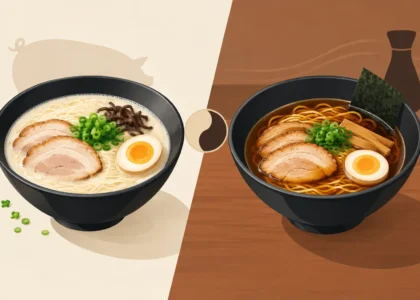
The best pairing depends on your appetite. Tonkotsu ramen brings a rich, creamy pork-broth contrast that turns sashimi into the opening act of a very filling meal. Shoyu ramen is a little lighter and savory, making it a natural match when you want balance rather than maximum richness. Gyoza is a reliable middle ground: crisp, juicy, shareable, and easy to enjoy beside tuna.
A note on sauces and bold flavors
Sashimi is subtle, so save very spicy or sweet sauces for other dishes if you want to taste the tuna clearly. This does not mean the meal has to be restrained. It simply means giving the sashimi its moment before reaching for stronger flavors. Take a bite of tuna, enjoy some ginger, then move on to ramen or gyoza when you are ready for more intensity.
Why Sashimi Belongs at a Ramen House
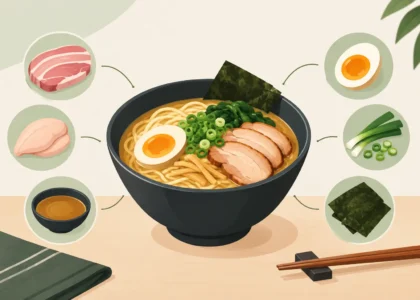
A ramen house is built around comfort, but comfort does not always mean one note. A deep broth, tender chashu, and properly prepared noodles are satisfying because they bring warmth and fullness. Tuna sashimi adds another side of Japanese dining: clean, cool, direct flavor with a refined look.
That combination works especially well for groups. One person may want the full ramen experience, another may prefer a few lighter plates, and someone else may be looking for a snack before a late dinner. A menu with both comforting bowls and fresh sashimi makes it easier to share a table without everyone ordering the same thing.
At Kagerou Ramen House, tuna sashimi belongs in that kind of meal – one where the plate looks as good as it tastes and the rest of the table is ready to follow. It is a simple choice that can make a casual dinner feel more complete.
Make Your Sashimi Order Work for the Occasion
For a date night or a catch-up with friends, start with sashimi and share it before your mains. It gives the table a natural first course without slowing the evening down. For a business lunch, it can be an easy choice when you want something polished but not overly formal.
For takeout, keep the order practical. Choose sashimi when you can enjoy it soon after delivery, and add a warm dish if you want a more filling meal. If you are ordering for a group, include enough variety so the table has both fresh, lighter bites and hearty comfort food. That balance is often what turns a quick order into a meal people talk about afterward.
A good tuna sashimi plate asks very little from you: arrive hungry, take the first bite without rushing, and let the clean flavor do its job. Reserve a table when you want the full restaurant experience, or order now when Japanese comfort food sounds better at home.