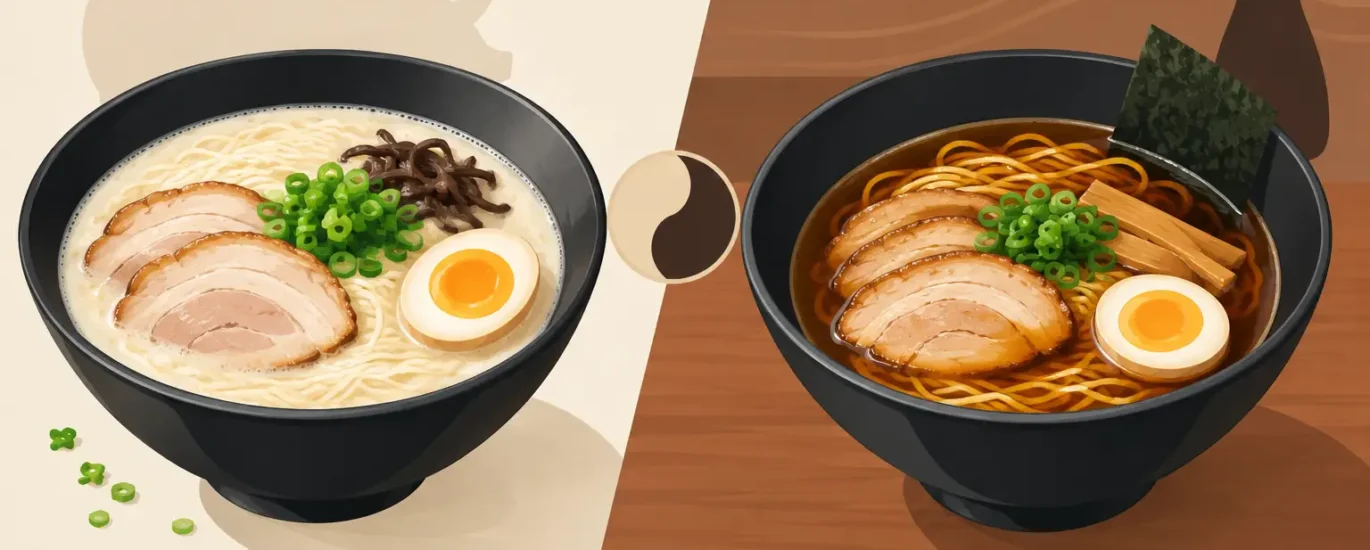
A ramen menu can ask a surprisingly personal question: do you want a bowl that wraps you in richness, or one that wakes up your palate with savory clarity? In the conversation around tonkotsu versus shoyu ramen, neither style is simply “better.” They deliver two distinct kinds of comfort, and the right choice often comes down to your mood, appetite, and how you like your broth.
At Kagerou Ramen House, both bowls earn their place at the table. One brings a creamy, full-bodied pork experience. The other lets soy sauce, aromatics, and carefully balanced broth do the talking. Knowing the difference makes ordering easier – and makes that first spoonful even more satisfying.
Tonkotsu Versus Shoyu Ramen: The Big Difference
The defining difference is in the broth. Tonkotsu ramen is made by cooking pork bones for a long time, until collagen, marrow, and fat emulsify into a pale, creamy broth. It has a deep pork character, a silky texture, and a richness that stays with you from the first sip to the last.
Shoyu ramen gets its identity from shoyu, the Japanese word for soy sauce. Its base may be made with chicken, pork, seafood, vegetables, or a blend, then seasoned with a soy sauce tare. The broth is usually clear to amber-brown rather than cloudy, with a savory flavor that feels more defined, aromatic, and clean on the finish.
Think of tonkotsu as the bowl you choose when you want something lush, warming, and seriously filling. Shoyu is for the days when you want depth without quite as much weight – still comforting, still satisfying, but more nimble with every bite.
Tonkotsu Ramen: Creamy, Porky, and Full-On Comfort
A well-made tonkotsu broth takes patience. Pork bones are simmered hard for hours, releasing flavor and creating the broth’s signature creamy appearance. That color does not come from milk or cream. It comes from the bones and fat breaking down into the broth, which is part of why tonkotsu feels so luxurious.
The flavor is bold but not flat. Good tonkotsu has savory pork depth, a gentle sweetness, and enough seasoning to keep the richness in balance. Garlic, sesame, chili oil, pickled ginger, or black garlic oil can bring contrast and cut through the creamy base.
Because the broth is substantial, tonkotsu often pairs beautifully with thin, firm noodles. Those noodles catch the broth without turning the bowl into a heavy tangle. Tender chashu is a natural match, adding another layer of pork richness, while scallions and fresh toppings keep each bite lively.
Tonkotsu is a strong choice when you are hungry enough to want a meal that truly lands. It suits a cold evening, a late dinner, or the moment when a salad sounds like a terrible idea. If you love creamy sauces, slow-cooked meats, and broths with a velvety body, start here.
There is one trade-off: its richness can overshadow delicate toppings or sides if you are not in the mood for a big flavor. A tonkotsu bowl is not usually subtle, and that is exactly why its fans keep coming back.
Shoyu Ramen: Savory, Fragrant, and Balanced
Shoyu ramen is often the bowl that surprises first-time ramen diners. People may expect soy sauce broth to taste like a salty shortcut. In a carefully prepared bowl, it is anything but. The soy sauce seasoning adds umami, aroma, color, and a layered savory edge to a broth that has already been built with care.
The result is lighter in texture than tonkotsu, but not lighter in flavor. You may taste chicken or pork stock, dried fish, seaweed, mushrooms, ginger, scallion, or other ingredients depending on the recipe. The shoyu ties those notes together with a gentle saltiness and a rounded, slightly sweet fermented character.
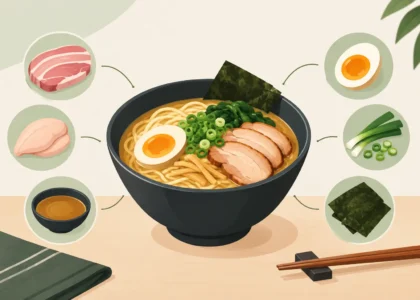
Shoyu ramen tends to let individual ingredients stand out. The springy noodles, tender chashu, soft egg, nori, bamboo shoots, and green onions each have room to speak. That makes it a great choice for diners who enjoy tasting the contrast between broth, noodle, meat, and garnish rather than having everything coated in one rich, creamy base.
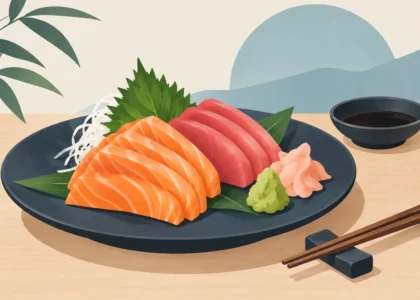
Choose shoyu when you want a classic ramen experience that feels satisfying without slowing you down. It works beautifully for lunch, for a casual dinner before plans, or when you want to pair your ramen with gyoza, sashimi, or another dish from the table. Its clean finish can leave more room for the rest of the meal.
The trade-off is simple: if your ideal ramen is thick, creamy, and intensely pork-forward, shoyu may feel too restrained. Its appeal is balance, not excess.
How Noodles and Toppings Change the Bowl
Broth gets the attention, but noodles and toppings decide how a bowl eats. Tonkotsu is frequently served with thinner noodles because they cook quickly and hold their own against a dense broth. A firmer noodle texture gives the bowl a welcome bite and prevents the experience from becoming too soft.
Shoyu ramen can accommodate a wider range of noodles, from fine and straight to wavy and medium-thick. Wavier noodles often pick up more broth, while straighter noodles emphasize a clean slurp and a more direct taste of the stock. There is no universal rule, only the question of what best supports the broth.
Chashu belongs happily in either bowl, but it plays a slightly different role. In tonkotsu, it doubles down on the pork comfort. In shoyu, it adds richness and tenderness against a more transparent broth. A jammy ramen egg brings creaminess to both, while scallions add freshness. Nori contributes a briny, roasted note, and bamboo shoots offer a crisp contrast to soft noodles and slow-cooked meat.
If you like heat, chili oil or spicy paste can be excellent in either style. Add it gradually. A little can brighten the bowl; too much can hide the broth you came to enjoy.
Which Ramen Should You Order?
Order tonkotsu if you want a deeply rich bowl, love pork-forward flavors, or need serious comfort after a long day. It is the choice for a full-belly kind of meal, especially when the weather is cool or your cravings are big.
Order shoyu if you enjoy a fragrant, savory broth with more definition and a cleaner finish. It is especially good for diners who are new to ramen, since it makes the structure of the bowl easy to taste, one ingredient at a time.
If you cannot decide, let the rest of your meal make the call. Planning to share fried or rich sides? Shoyu may bring balance. Want ramen to be the main event and nothing else will do? Tonkotsu has the comforting weight to carry the moment.
A Better Way to Taste Your Bowl
Before mixing in chili oil, garlic, or extra seasoning, take a sip of the broth as it arrives. This is where the ramen house’s work is most visible. Taste the body of a tonkotsu broth or the aromatic depth of a shoyu broth on its own, then try noodles with broth, then noodles with chashu and toppings.
Eat while the bowl is hot. Ramen changes as it sits: noodles soften, fat cools, and flavors settle differently. There is no need to rush, but this is one meal that rewards your attention early.
The best bowl is not the one with the biggest reputation. It is the one that fits the meal you want right now. Go creamy and indulgent when you want comfort that lingers. Go savory and clear when you want balance with every slurp. Either way, come hungry, take that first sip before adding anything, and let the bowl do what ramen does best: make an ordinary meal feel like a proper break in the day.