A room can be beautifully decorated, the guest list can be perfect, and the schedule can run on time – but people will still remember whether they ate well. The best catering options for events do more than cover a meal. They give guests a reason to gather around the table, try something new, and leave satisfied rather than hunting for snacks on the way home.
For a birthday in Tallinn, an office lunch, a graduation party, or a casual celebration with friends, the right food depends on the mood you want to create. A plated dinner may suit one occasion. A generous spread of shareable Japanese comfort food may suit another far better. The goal is not to choose the fanciest menu. It is to choose food that fits your guests, your venue, and the way you want the event to feel.
Start With the Kind of Gathering You Are Hosting
Catering becomes easier when you stop thinking in terms of one generic “event menu.” A working lunch needs food that is easy to serve and enjoyable without a long pause in the day. A birthday dinner can be more relaxed and social, with dishes guests can pass around and discuss. A late-evening gathering often calls for comforting, filling food that holds up well after guests arrive.
Think about timing before choosing dishes. A noon event may benefit from lighter portions, noodles, gyoza, and fresh sides. An evening party can handle heartier flavors and a fuller menu, such as rich ramen, tender chashu, and savory shared plates. If people are coming straight from work, make sure there is enough food for an actual dinner, not just a few bites.
Guest count matters, but it is not the only number that matters. Consider how long the event lasts, whether alcohol is being served, and whether guests will be seated or standing. A two-hour reception with drinks needs plenty of easy-to-hold options. A seated team dinner has more room for bowls, sides, and a paced meal.
Best Catering Options for Events by Style
There is no single best choice for every group. The strongest catering menus have a clear identity and make practical sense for the occasion.
Shared Japanese comfort food
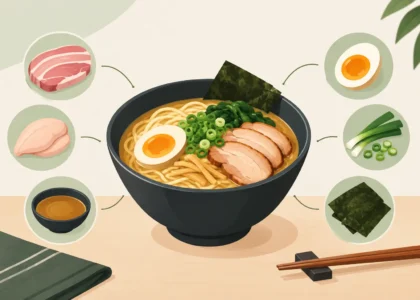
For gatherings that should feel warm, informal, and memorable, Japanese comfort food is a standout option. Ramen brings the satisfaction of a real meal: deeply flavored broth, properly prepared noodles, tender chashu, and toppings that make every bowl feel complete. It is especially welcome on cooler days, evening celebrations, and events where guests want something more substantial than standard finger food.
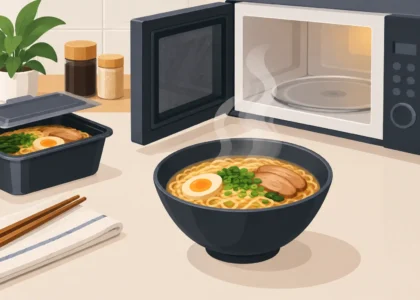
A ramen-focused catering menu works best when the service plan is considered early. Broth, noodles, and toppings should be packed and served in a way that protects their texture and temperature. This is worth discussing with the caterer, particularly for larger groups or venues without much space for setup. When handled well, ramen feels personal, generous, and far more exciting than a predictable tray of sandwiches.
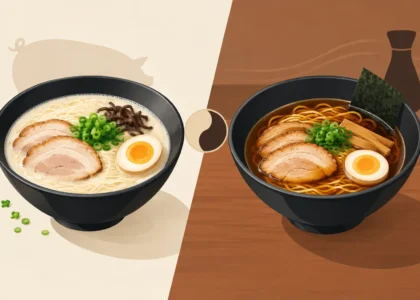
Add gyoza, noodles, sashimi, or other shareable dishes, and guests have options beyond a single bowl. This is helpful for mixed groups, including first-time Japanese food diners who may want to sample several flavors. Kagerou Ramen House can be a natural fit for Tallinn gatherings where a restaurant-quality ramen experience is the centerpiece, not an afterthought.
Family-style platters
Family-style catering puts food in the middle of the table and invites guests to help themselves. It is ideal for birthdays, small company celebrations, and casual dinners where conversation matters as much as the schedule. Guests can choose their portions, return for seconds, and try dishes they might not have ordered on their own.
The trade-off is that family-style service needs enough table space and a little attention to replenishing dishes. It is less formal than plated service, but it can feel more generous and social. Choose it when you want the table to be part of the experience rather than simply a place to eat.
Individually packed meals
For office meetings, training days, or events with a tight agenda, individual meals are often the most efficient choice. Everyone receives a complete portion, service is quick, and dietary requests are easier to label and track. This format also makes sense when guests will eat at different times or in different areas of a workplace.
Individual packaging is practical, but it can feel less festive. Bring some personality back with well-presented dishes, fresh sides, and a dessert or shared snack on the table. Convenience should not mean settling for a forgettable lunch.
Passed bites and grazing food
Small bites are best for openings, networking events, cocktail parties, and any gathering where guests will be moving around. The food should be easy to hold with one hand, simple to eat without a full place setting, and satisfying enough to match the length of the event.
Do not make the common mistake of ordering only light snacks for an event that runs through dinner. If guests are expected to stay for several hours, add substantial options or clearly state that the gathering is drinks and appetizers only. People appreciate knowing what to expect.
Build a Menu That Lets Everyone Eat Well
A great menu does not need dozens of dishes. It needs variety with a purpose. Start with a main option that feels satisfying, then include a few complementary dishes that offer contrast in texture and flavor. Rich ramen pairs well with crisp vegetables, savory gyoza, and lighter seafood options. A menu with only heavy dishes can become tiring, while a menu with only small bites may leave people hungry.
Dietary needs should be addressed before the order is finalized, not after food arrives. Ask guests about vegetarian preferences, allergies, spice tolerance, and ingredients they need to avoid. It is also useful to have a few familiar choices for cautious eaters, especially if Japanese cuisine is new to part of the group.
Be specific when you communicate requests. “Vegetarian options needed” is a start, but a guest with an allergy requires different handling than someone who simply prefers a meat-free dish. Clear numbers help a caterer prepare the right mix without guessing.
Choose the Service Level That Matches Your Venue
Food can be excellent and still feel difficult if the service style does not suit the space. Before ordering, confirm where the food will be placed, whether there are tables and chairs, and if the venue has access to power, water, or a warming area. A cozy apartment gathering has different needs from a conference room or a rented event hall.
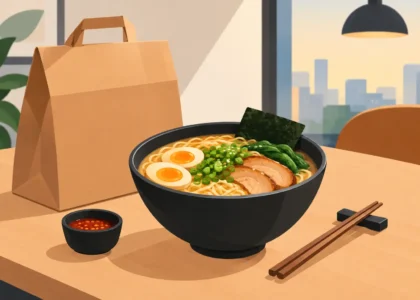
Delivery can be the right answer for a casual event with a host ready to organize the table. Full-service catering is more helpful when you need setup, serving support, and less to manage during the event itself. Neither is automatically better. The better choice is the one that allows you to spend time with your guests instead of opening containers, searching for utensils, or worrying about portions.
Ask about timing as well. Food that arrives too early may lose heat and freshness. Food that arrives too late changes the whole mood of the room. Plan a delivery window that gives you a small buffer without leaving dishes waiting around for an hour.
Get Portions Right Without Overordering
Catering portions depend on the event. At lunch, a complete main plus a small side is often enough. At dinner, guests generally expect more. If alcohol is served, appetites can rise quickly, and late-night events often need extra food even if a meal was offered earlier.
Instead of ordering a huge quantity of every item, invest in enough of the foods people will naturally reach for first. Main dishes should never run short. Popular sides deserve a little extra. Very spicy, highly niche, or unfamiliar dishes can be ordered in smaller amounts unless you know your group loves them.
It is smart to ask the caterer how their serving sizes work. Restaurants that prepare food every day have a better sense of what satisfies a group than a host estimating from a spreadsheet. Share your guest count, event time, and style of service, then use that guidance to build a menu with confidence.
Make the Food Part of the Memory
The most successful catered events feel cared for. Food arrives looking inviting, guests understand what is available, and nobody has to wonder whether they should take the last portion. A few simple details help: label dishes clearly, place serving utensils where they are easy to reach, and put drinks nearby without blocking the food table.
Presentation matters because people eat with their eyes first. Colorful toppings, neatly arranged plates, and a spread that looks generous set the tone before anyone takes a bite. That does not require an overly formal setup. It simply means choosing food that is made with pride and serving it in a way that welcomes people in.
When you are choosing catering, aim for the moment guests pause after the first bite, smile, and go back for more. That is the kind of event detail people remember long after the tables are cleared.