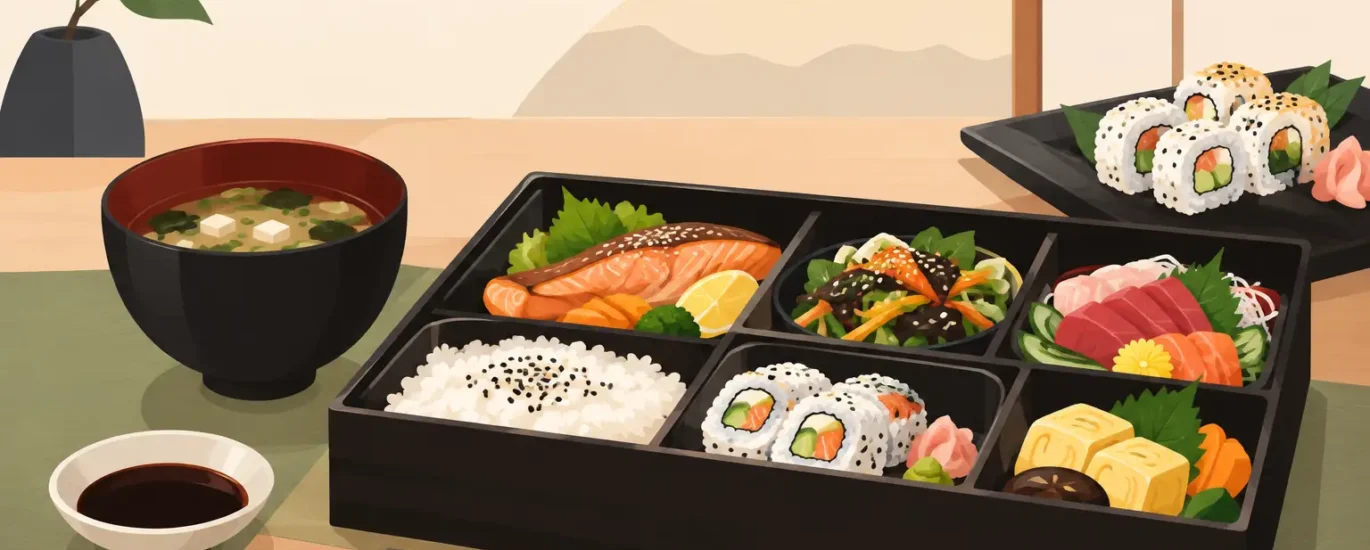
A catered meal should give people something to talk about besides the meeting, birthday, or event itself. Japanese catering brings that feeling to the table: bowls that arrive fragrant and full, crisp gyoza ready to share, fresh sashimi with clean flavor, and noodles that turn a quick lunch or casual celebration into a proper meal.
For hosts in Tallinn, the appeal is simple. Japanese food can feel special without becoming stiff or overly formal. It suits an office lunch where people need to get back to work, a birthday gathering where guests want to linger, or a relaxed evening with friends who all want something genuinely satisfying.
Why Japanese Catering Works for Groups
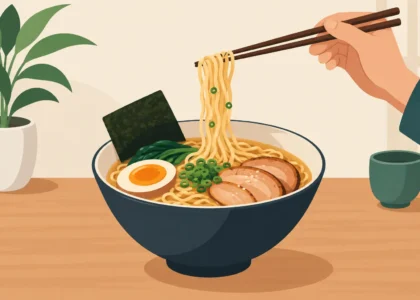
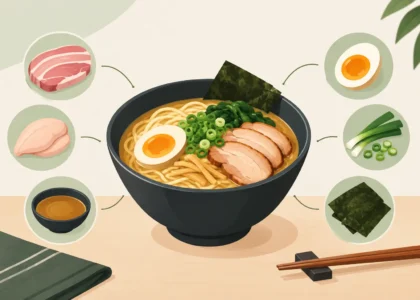
The best group food offers comfort, choice, and a little excitement. Japanese comfort food does all three. A rich ramen broth has the warmth people want on a cool day, while toppings such as tender chashu, egg, fresh greens, and noodles give every bowl texture and color. Gyoza are easy to pass around and disappear fast. Sashimi adds a lighter, fresh option for guests who want a different pace from a hearty bowl.
It is also food with personality. A table filled with ramen, noodles, and shareable starters looks inviting before anyone takes the first bite. That matters for a team event or private party. Guests eat with their eyes first, and a well-presented spread sets a more generous mood than a row of predictable sandwich boxes.
There is a practical advantage, too. Japanese catering can serve mixed appetites without trying to be everything to everyone. Someone can choose a deeply savory Tonkotsu ramen, while another guest may prefer a lighter Shoyu-style bowl or a combination of noodles and sides. The menu stays focused, but the group does not feel stuck with one flavor profile.
Build the Menu Around the Occasion
Good catering starts with the occasion, not just the headcount. A midday office lunch needs food that is easy to portion, simple to serve, and filling enough to carry people through the afternoon. A birthday dinner can be more generous, with starters for the table and room for guests to enjoy the meal at a slower pace.
For work gatherings, begin with individual mains and add a few shareable sides. This keeps distribution clear and helps guests choose in advance. Ramen is a strong centerpiece when it is prepared and packed with care, because it feels like a real lunch rather than an afterthought. Pairing bowls with gyoza gives the meal a social element without making the order complicated.
For celebrations, think in layers. Start with gyoza or sashimi for the table, then offer ramen or noodle dishes as the main event. This approach makes the food feel more like a restaurant experience brought to your gathering. It also helps when guests arrive at slightly different times, since there is something to enjoy right away.
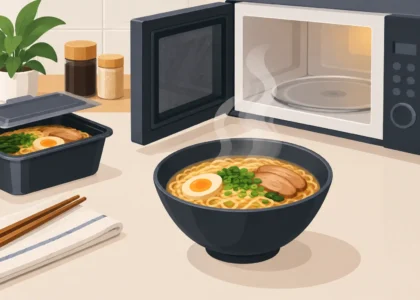
The trade-off is timing. Ramen is at its best when the broth is hot and the noodles have not been sitting too long. For a catered ramen meal, plan a serving window instead of leaving the order open for an hour. Let guests know when food will arrive, set out bowls promptly, and encourage everyone to eat while the meal is at its peak.
Choose a Balance of Rich and Fresh
A menu made entirely of rich dishes can feel heavy, especially for a daytime event. A menu made entirely of lighter items may leave guests looking for more. The sweet spot is contrast.
A rich pork-based ramen can anchor the order, while sashimi offers clean, fresh flavor. Gyoza bring a satisfying crisp edge and an easy shareable bite. If your group includes first-time Japanese-food diners, this balance makes the meal approachable. People can stay with the familiar comfort of noodles and dumplings or try something new without committing to a whole unfamiliar dish.
When choosing quantities, consider the time of day and the length of the event. For lunch, one main per person plus a sensible amount of shared sides is usually enough. For an evening party, guests may snack longer and return for another bite, so extra gyoza and starters are often worth adding.
Details That Make Catering Feel Considered
The difference between food delivery and a catered occasion is often in the small decisions. Confirm the guest count early, gather dietary needs before ordering, and make a clear plan for where food will be set out. These are not glamorous tasks, but they prevent the awkward moment when several guests cannot eat what has arrived.
Ask guests about allergies and dietary restrictions rather than guessing. Japanese cuisine can include soy, wheat, sesame, fish, shellfish, eggs, and other ingredients that need attention. Vegetarian preferences also deserve a direct check, particularly with ramen broths and dumpling fillings. A good order is one where every guest can spot a satisfying choice on the table.
Portioning matters as much as menu selection. Do not assume every person will eat the same amount. A group of students after an evening event may want a heartier order than a small office gathering after a long morning meeting. If you know your guests are big ramen fans, lean into fuller mains and extra sides. If the event includes other food or drinks, a more compact selection may be the better fit.
Presentation should not be ignored just because the food is being served away from the restaurant. Clear labels make choices easier, especially with multiple ramen styles or dietary needs. Keep hot dishes together and serve fresh items promptly. Set out napkins, chopsticks, and any needed utensils before the food arrives. A few prepared minutes let the first person served enjoy the meal just as much as the last.
When Ramen Is the Right Centerpiece
Ramen is not just soup. A good bowl has a job for every element: broth with depth, noodles with the right bite, chashu that is tender, and toppings that add freshness and texture. That is why it can work so well for catering when the service is planned around it.
Choose ramen as the centerpiece when you want guests to feel looked after. It is especially suited to colder months, evening gatherings, team meals after a demanding day, and events where comfort is part of the point. A hot bowl does more than fill people up. It tells them this is a meal worth pausing for.
It may not be the best choice for every situation. If people will be standing, moving between rooms, or eating in short bursts over a long period, finger-friendly items and smaller portions may be easier to manage. In that case, gyoza and other shareable Japanese dishes can carry more of the menu, with ramen reserved for a seated group.
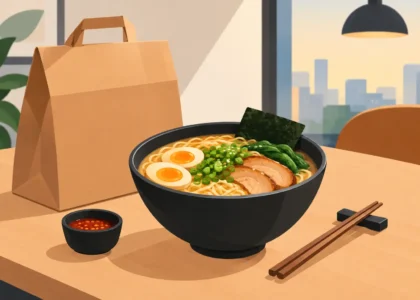
At Kagerou Ramen House, the goal is the same whether guests are dining in or gathering elsewhere: rich broth, proper noodles, fresh ingredients, and food that arrives looking as good as it tastes. That standard matters when you are trusting a meal to represent your event.
Plan Early, Then Let Guests Enjoy It
Catering becomes easier when the host does not leave every decision to the last minute. Set the date, estimate the number of people, decide whether the event is seated or casual, and choose a serving time that respects hot food. From there, building a Japanese menu is refreshingly straightforward.
Give guests a little preview if you can. A quick note that ramen, gyoza, and fresh Japanese favorites are on the way creates anticipation and lets anyone with a dietary need speak up early. It also saves the host from explaining every dish while trying to welcome people at the door.
The best catered meals create a pause in the day. They bring colleagues away from their screens, make friends gather around the table, and leave guests with a full belly rather than the feeling they grabbed food on the run. Start with the people you are feeding, choose dishes that suit how they will eat, and make sure the hottest bowl reaches the table ready to enjoy.