A great ramen catering example is not a tray of noodles dropped on a table. It is a warm, filling meal that gives guests something to gather around: fragrant broth, springy noodles, tender chashu, colorful toppings, and the small pleasure of building a bowl exactly how they like it.
For a Tallinn office lunch, birthday dinner, team celebration, or casual house party, ramen brings more character than the usual sandwich platter. It feels generous without feeling overly formal. The key is planning the menu and service style around the room, the guest count, and how quickly everyone needs to eat.
A ramen catering example for a 25-person office lunch
Picture a Friday lunch for 25 people. The goal is simple: serve a satisfying meal that feels special enough for the end of a busy week, but organized enough that no one is waiting around hungry. The host wants a mix of familiar choices, vegetarian options, and a few Japanese sides that turn lunch into a proper shared occasion.
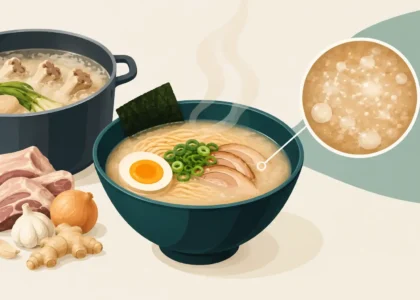
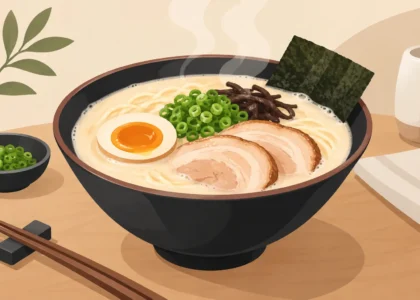
A strong catering order could include two ramen bases: rich Tonkotsu ramen for guests who want a deeply comforting pork broth, and Shoyu ramen for a lighter, savory soy-based option. Both can be served with noodles, fresh scallions, nori, and carefully prepared toppings. Tender chashu is a natural favorite for the meat-eaters, while vegetarian guests should have a clearly marked bowl option with a flavorful broth and vegetables rather than an afterthought plate.
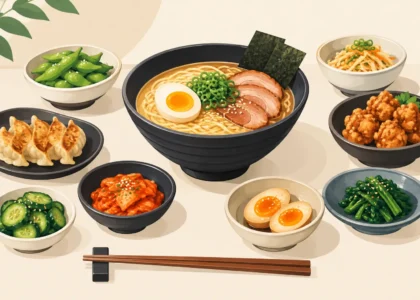
Add gyoza and a fresh side such as tuna sashimi where appropriate for the group. The ramen is the centerpiece, but the sides do useful work. They give early arrivals something to enjoy while bowls are being served, create variety for lighter eaters, and make the table look abundant from the first moment.
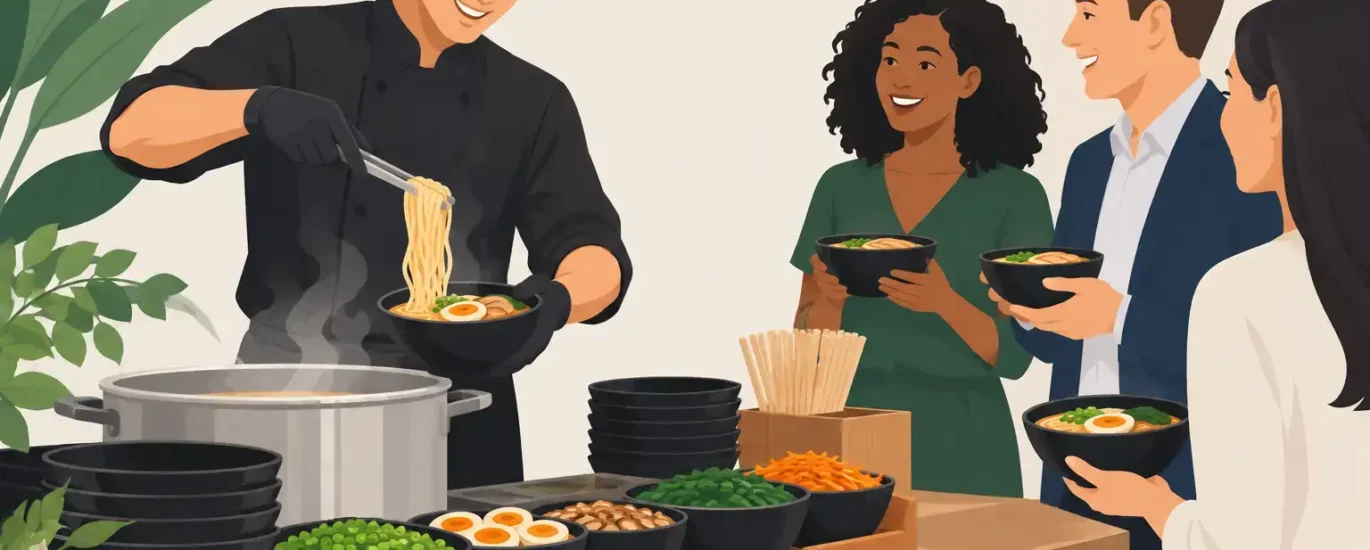
For this size of group, the best setup is usually a buffet-style ramen bar. Broth, noodles, protein, and toppings are arranged so each guest can move through the line and finish their own bowl. It keeps the pace comfortable and lets people choose their preferred amount of scallion, nori, egg, or chili.
Why a ramen bar works for groups
Ramen has a reputation for being a restaurant-only meal because timing matters. Noodles are at their best when they are hot, bouncy, and served with broth that has not been sitting around. That does not mean ramen cannot travel well. It means the catering format needs to respect what makes a bowl good in the first place.
Separating components until service helps keep the noodles from soaking too long and gives guests a fresher result. Hot broth is added close to eating time, while toppings stay bright and distinct instead of disappearing into the bowl. The experience remains relaxed, but the food still has the care and presentation of a ramen house meal.
A ramen bar also works because it makes choice easy. Some guests will go all-in on a rich Tonkotsu bowl with chashu and extra toppings. Others may prefer Shoyu ramen, a smaller portion, or a bowl with fewer ingredients. No one has to make a speech about dietary preferences across a crowded lunch table.
There is a trade-off. A build-your-own setup creates a little more movement and needs enough table space for the line. If the event has a tight schedule, such as a 30-minute working lunch, individually packed or pre-assembled bowls may be the smoother choice. For a social event with time to chat, the ramen bar becomes part of the fun.
Build a menu that feels full, not complicated
The most successful ramen catering menus do not try to offer every possible Japanese dish. They choose a few things that work together well. A deeply flavored ramen bowl should remain the star.
Start by deciding whether the event needs one ramen choice or two. For a small, familiar group, one crowd-pleasing ramen plus a vegetarian alternative may be enough. For a larger team or mixed guest list, Tonkotsu and Shoyu give people a clear choice between rich and savory. Ask guests about allergies and dietary needs ahead of time, especially when planning for pork, seafood, eggs, soy, and gluten.
Then add sides with a purpose. Gyoza is easy to share and immediately recognizable, even for guests who are trying Japanese food for the first time. Tuna sashimi can give a more polished dinner gathering a fresh contrast to the richness of ramen. Extra toppings such as scallions, nori, chili oil, sesame, or soft eggs make the spread feel generous without turning ordering into a puzzle.
Drinks matter more than hosts sometimes expect. Cold water, sparkling water, tea, and a few refreshing nonalcoholic options balance a hot, savory meal. If ramen is being served at an evening celebration, choose beverages that complement rather than overpower the broth.
Plan the room before the bowls arrive
Good ramen catering is as much about flow as food. A host should know where the bowls will go, where guests will line up, and where they can sit down with a hot meal. A narrow counter packed with 30 people is not the setting that lets ramen shine.
For an office lunch, place the ramen station near the kitchen or break room, with bowls, napkins, chopsticks, and spoons at the beginning of the line. Keep toppings and sauces visible, then leave a little room at the end for guests to set down their bowl before heading to their seats. Labeling vegetarian and allergen-sensitive items clearly is a small detail that makes everyone feel considered.
For a home gathering, use the dining table as the main serving station and keep drinks somewhere else. This avoids a traffic jam and preserves room for guests to talk. If space is limited, serve ramen in waves rather than trying to have every person build a bowl at once.
Timing deserves the same attention. Plan to serve ramen when guests are ready to eat, not 45 minutes before the event officially begins. If people are arriving gradually, start with gyoza and lighter snacks, then bring out ramen when the group has settled in. Hot broth and properly prepared noodles reward good timing.
When ramen catering is the right choice
Ramen is especially good for events that should feel welcoming rather than stiff. It suits creative team lunches, student gatherings, birthday dinners, housewarmings, casual client meetings, and late-evening celebrations. A bowl of ramen gives people a real meal, which is a better fit than finger food when guests are coming straight from work or staying for several hours.
It may be less practical for a formal cocktail event where guests need to stand and mingle constantly, or for a venue with no comfortable eating area. Ramen is wonderfully comforting, but it asks guests to pause, sit down, and enjoy it while it is hot. That is part of its charm.
For hosts in Tallinn, Kagerou Ramen House can help turn that pause into a meal people talk about afterward. The focus should stay on the details guests notice first: rich broth, tender chashu, quality noodles, fresh toppings, and bowls that look as inviting as they taste.
The best event food does not just fill a gap in the schedule. It gives the room a moment of comfort and connection. Set out the bowls, let the broth steam, and give your guests a reason to come back for one more bite.