A bowl arrives at the table with a pale, velvety broth, glossy noodles, tender chashu, and a fragrant cloud of steam. Why is ramen broth cloudy? In many cases, that inviting color is the sign of a broth that has been cooked hard enough to turn bones, fat, collagen, and water into one deeply satisfying sip.
Cloudiness is not a shortcut or a garnish. It is part of the ramen-making process, especially in rich pork-based bowls such as tonkotsu. But it is not the only mark of good ramen. Some of Japan’s most refined broths are crystal clear, and they can be every bit as flavorful. The right look depends on the style of bowl in front of you.
Why Is Ramen Broth Cloudy?
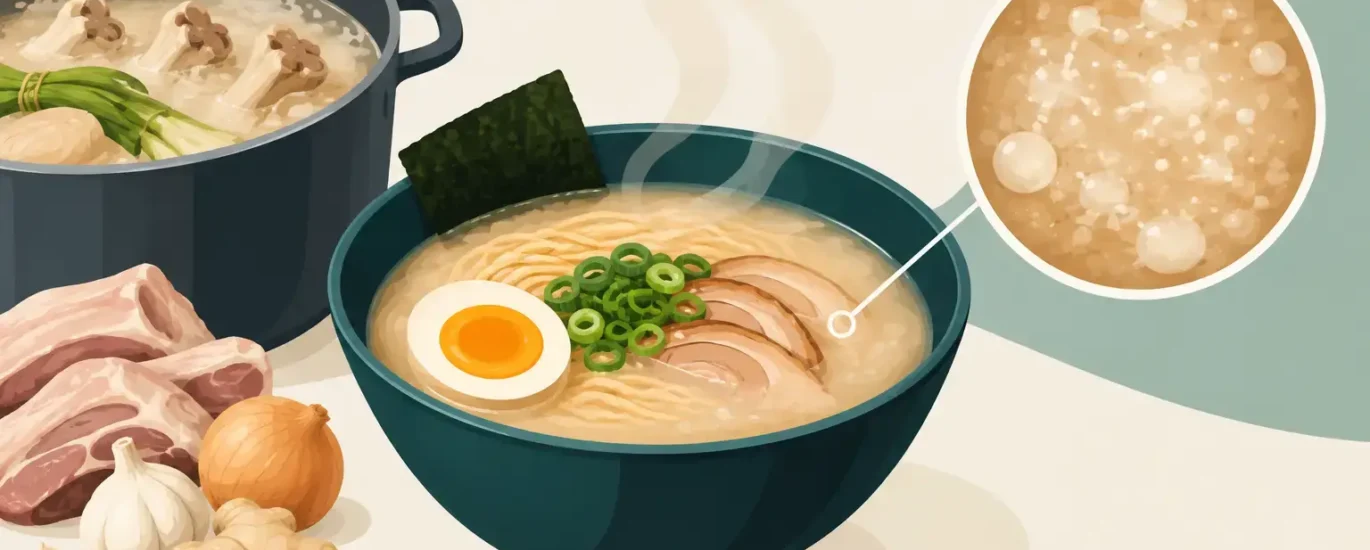
The short answer is emulsification. During a long, active boil, fat and tiny particles from bones and meat break apart and disperse through the liquid. Instead of separating into a clear broth with a layer of oil on top, those elements become suspended in the soup. Light scatters through those microscopic droplets, creating the familiar cloudy, ivory-colored appearance.
Think of it less as broth becoming dirty and more as broth becoming unified. Fat brings richness, gelatin gives body, and bone marrow and proteins contribute savory depth. When properly managed, the result is not greasy or heavy for the sake of it. It feels rounded, full, and almost creamy on the tongue, even though no dairy is involved.
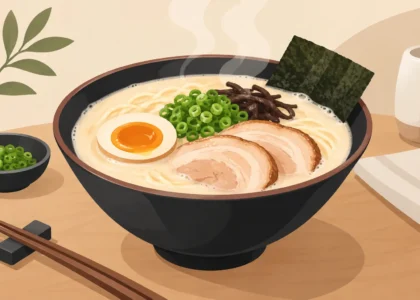
Tonkotsu ramen is the classic example. Pork bones are cooked for hours at a vigorous boil, often with aromatics added at different stages. The movement of the boil helps release collagen, marrow, and fat, building a broth with a bold aroma and a silky finish. Its cloudy appearance is expected – and for many ramen fans, it is part of the anticipation.
The Boil Makes the Difference
A gentle simmer and a rolling boil create very different results. When stock cooks quietly, particles tend to remain larger and settle out more easily. That is useful when a chef wants clarity, as in a refined chicken or seafood broth.
A stronger boil agitates the pot. Bones knock against one another, fat breaks into tiny droplets, and proteins disperse throughout the liquid. This is why the same ingredients can create either a clear golden soup or a cloudy white one, depending largely on technique.
Cloudy broth requires attention, not just force. Boiling too aggressively without enough water, skimming, or timing can produce harsh flavors or an overly fatty finish. Great ramen cooks balance intensity with control. The broth should taste deep and clean, with enough richness to coat the palate without leaving every other flavor behind.
What Creates That Rich, Creamy Look?
Bones are the foundation, but they are not working alone. A satisfying cloudy ramen broth is built from several ingredients and reactions happening together.
Pork bones, particularly parts with marrow, cartilage, and connective tissue, provide the building blocks. Collagen slowly converts into gelatin, which gives broth its pleasant body. Fat adds luxurious texture. Meat scraps and aromatics contribute savory notes, while the cooking process brings all of it into balance.
The broth’s color can range from soft beige to almost white. That variation depends on the bones used, how thoroughly they were cleaned, how long they cooked, and how much fat and marrow were emulsified. A pale broth does not automatically mean a better broth, but in tonkotsu ramen it usually signals the full-bodied character diners expect.
At Kagerou Ramen House, a rich bowl is meant to feel like comfort food with detail: warm broth, springy noodles, tender chashu, and toppings that add freshness and contrast. The cloudiness may catch your eye first, but the real test is the sip. It should taste savory, balanced, and worth returning to.
Cloudy Does Not Mean Creamy With Dairy
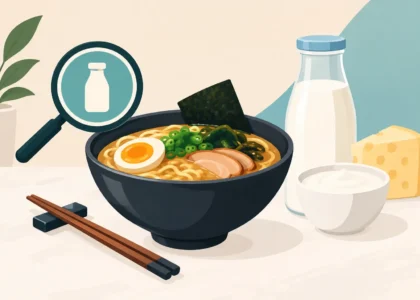
One common misconception is that milky ramen broth contains milk or cream. Traditional tonkotsu broth gets its creamy impression from emulsified pork fat, gelatin, and bone marrow, not dairy. That is why it has a distinctly savory character rather than the sweetness associated with cream-based soups.
This distinction matters for both flavor expectations and dietary needs. A cloudy pork broth can be intensely rich even without dairy, while a clear broth can still contain substantial flavor and oil. If you have specific dietary questions, the best approach is always to ask the restaurant directly about the bowl you are considering.
Clear Broth Can Be Just as Serious
If cloudy ramen signals richness, clear ramen signals precision. Shoyu ramen often features a transparent brown broth, sometimes made from chicken, pork, seafood, or a combination of ingredients. Its seasoning base, called tare, brings soy sauce depth, saltiness, and aroma without turning the soup opaque.
Clear broths are usually simmered more gently and carefully strained. The goal is a clean flavor where you can notice individual notes: chicken sweetness, dried fish savoriness, roasted scallion, soy sauce, or fragrant oil. Rather than coating the mouth with porky richness, a clear broth can feel lively and layered.
Neither style wins by default. A rainy evening might call for the full, comforting weight of tonkotsu. On another day, a shoyu bowl can be exactly right, with its lighter appearance and focused savory finish. Ramen is not a contest between cloudy and clear. It is a collection of styles designed for different cravings.
Does Cloudiness Always Mean Quality?
Not necessarily. A beautifully cloudy broth can still be too salty, dull, oily, or flat. Likewise, a clear broth can be weak if it lacks enough stock, tare, aroma oil, or careful seasoning. Appearance offers a clue, not a verdict.
What matters is how the broth works with the whole bowl. Rich tonkotsu needs noodles sturdy enough to carry it. Chashu should add tenderness without overwhelming the soup. Green onions, pickled ginger, mushrooms, sesame, garlic, or a touch of chili can bring lift and contrast. Every part should make the next bite more interesting.
The temperature matters, too. Fat is more noticeable as broth cools, so ramen is at its best when enjoyed promptly. Take a sip first, then pull in noodles while they are still firm and lively. This is not a dish that rewards waiting for the perfect photo.
Can You Make Cloudy Ramen Broth at Home?
Yes, although it takes patience and a willingness to let the pot work hard. Home cooks often start by blanching pork bones briefly, discarding that first water, and rinsing the bones well. This helps remove surface impurities before the longer cook begins.
From there, fresh water and a sustained boil do the real work. Keep an eye on the water level, replenish it as needed, and stir occasionally so the bones and fat continue to circulate. Aromatics such as garlic, ginger, onion, or scallion can add character, but they should support the broth rather than mask it.
A pressure cooker can shorten the process, especially for extracting body from bones, but it may not create exactly the same texture or aroma as a long stove-top boil. A blender can also make broth look cloudier, yet that is different from naturally developed emulsification. It may be useful at home, but the flavor can become muddier if everything is blended without restraint.
For the best bowl, season the finished broth thoughtfully rather than salting the whole pot too early. In ramen, the tare and aromatic oil often provide the final identity. That is where a pork broth becomes a particular style of ramen instead of simply becoming pork stock.
The next time you see a cloudy bowl, take it as an invitation to taste closely. Notice whether the broth feels silky, whether the pork flavor is clean, and whether the noodles hold their own. Then order the style that fits your appetite – a deep, cloudy tonkotsu when you want comfort, or a clear shoyu when you want every savory detail to shine.