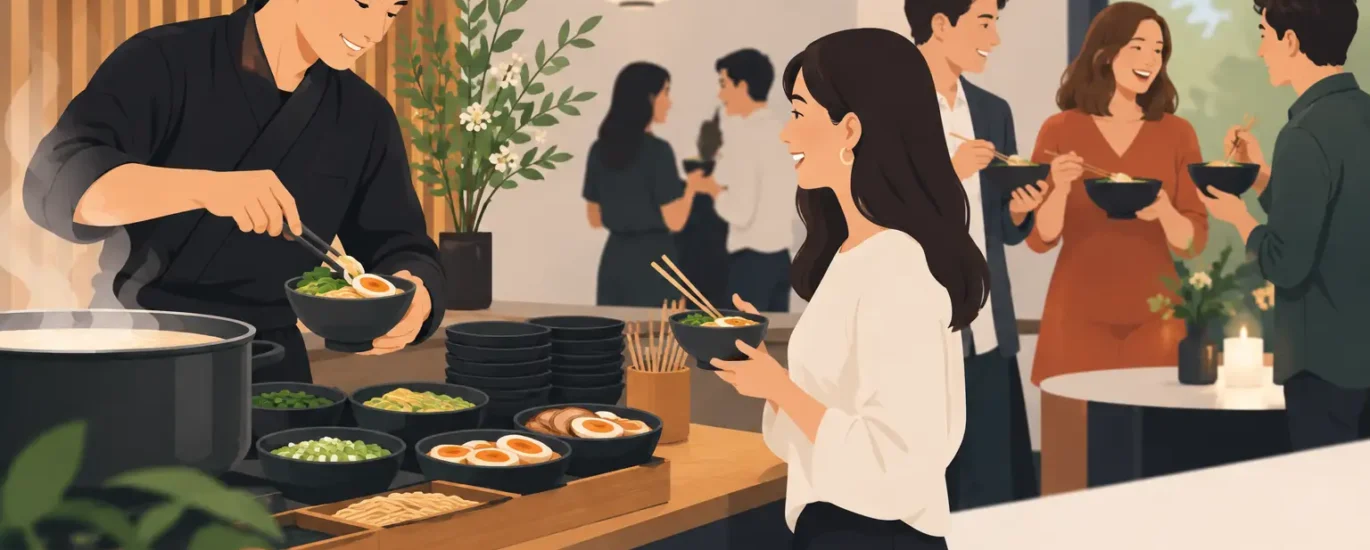
A great gathering has a moment when the room gets quiet for a second: bowls arrive, steam rises, and everyone leans in. That is what a ramen event service can bring to a birthday dinner, office lunch, team celebration, or relaxed evening with friends. It is warm, generous food with enough personality to feel like an occasion – and enough comfort to make every guest feel looked after.
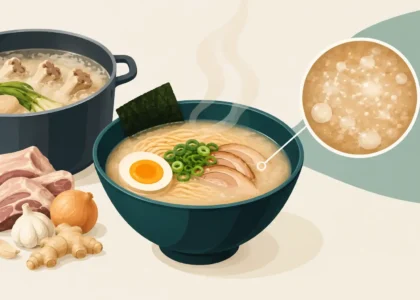
Ramen is not just a quick meal in a bowl. A proper bowl brings together a deeply flavored broth, springy noodles, tender chashu, fresh toppings, and the kind of presentation people want to photograph before they take the first bite. For hosts, that creates a simple advantage: the food already feels thoughtful. You do not need to overdecorate the table or build a complicated menu around it.
Why ramen works so well for events
Many event meals force a choice between convenience and quality. Sandwich platters are easy but forgettable. A formal seated meal can be impressive but difficult to organize. Ramen lands comfortably in the middle. It feels casual enough for an easy-going crowd while still delivering the full, restaurant-quality experience people expect from a meal worth gathering for.
It also suits the way people actually socialize. Guests can settle in with a hot bowl, share gyoza and sides, talk between bites, and leave full rather than still hunting for a snack afterward. For a lunch event, ramen offers a satisfying break from the usual office routine. For an evening gathering, it creates a cozy center point without making the occasion feel stiff.
The key is timing. Ramen is at its best when broth is hot and noodles have their ideal bite, so an experienced service should plan the serving flow rather than treating ramen like any ordinary tray of food. That attention is what keeps the meal comforting, polished, and memorable.
What to expect from a ramen event service
A good ramen event service starts with the guest count, location, and style of gathering. Is everyone sitting down for a planned meal? Will guests arrive in waves? Is this a short lunch break, or a long evening where people will snack and talk? These details affect portion planning, menu choices, delivery timing, and whether a simpler selection will serve the group better.
For most events, a focused menu is the strongest choice. Offering one or two ramen styles keeps service smooth and helps guests decide quickly. Tonkotsu ramen is a natural crowd-pleaser for guests who want a rich, savory bowl with satisfying depth. Shoyu ramen offers a lighter, soy-based direction that is equally comforting and often feels approachable for first-time ramen diners.
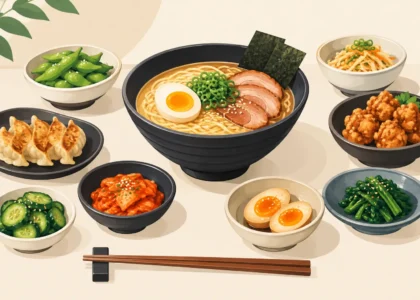
The details around the bowl matter just as much. Tender chashu, properly prepared noodles, flavorful broth, marinated egg, scallions, nori, and other fresh toppings make the difference between a meal that simply fills people up and one they talk about afterward. Add a few shareable sides, such as crisp gyoza or fresh tuna sashimi where it suits the group, and the table immediately feels more abundant.
The best menu is not always the biggest menu
Hosts often assume more options mean happier guests. Sometimes they do. But at a ramen event, too many choices can slow down orders and make coordination harder. A compact menu with clear options usually gives guests a better experience, especially for workplace lunches and larger groups.
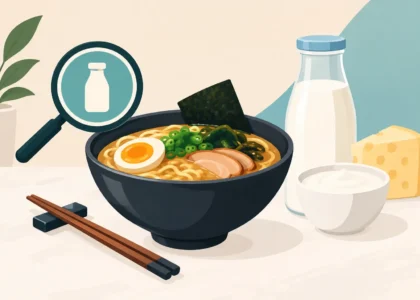
Variety still matters, particularly when dietary needs are involved. Ask early about vegetarian preferences, allergies, spice tolerance, and ingredients guests may avoid. The right solution depends on the menu and the kitchen, so it is better to confirm what can be accommodated than to promise substitutions that change the quality of the dish. Clear communication before the event helps every guest feel considered.
How to plan your ramen event without the stress
Start with the practical basics: date, time, venue, expected guest count, and how long people will be eating. Then think about the mood you want. A team lunch may need fast, individually portioned bowls. A birthday gathering can make more room for shared starters and a slower meal. A late-evening get-together may call for a relaxed restaurant table where guests can order additional dishes as the conversation continues.
Give your ramen provider an accurate headcount whenever possible. A little flexibility is normal, but major last-minute changes affect preparation and service. It also helps to identify one point person for the group. When questions come up about arrival time, menu confirmation, or dietary notes, one contact keeps the process easy for everyone.
If the event is held outside the restaurant, consider the setup honestly. Is there room for guests to sit with a bowl? Can food be served promptly? Will there be utensils, napkins, and a place for used dishes? Ramen is wonderfully relaxed food, but it is still a hot, broth-based meal. A comfortable setup lets guests enjoy it instead of balancing a bowl while standing in a crowded hallway.
For restaurant gatherings, reserving ahead is the simplest route. A reservation gives the kitchen and front-of-house team time to prepare for your group, arrange seating, and make the visit feel intentional from the moment guests arrive. At Kagerou Ramen House, that means your group can enjoy a cozy ramen-house atmosphere along with the familiar comfort of a bowl made to order.
Choosing the right format for your group
A ramen event service can take different forms, and the best one depends on the occasion. Delivery works well for smaller office meetings, casual home dinners, and events where guests will eat soon after the food arrives. It is convenient, direct, and easy to organize when the venue is already set up for dining.
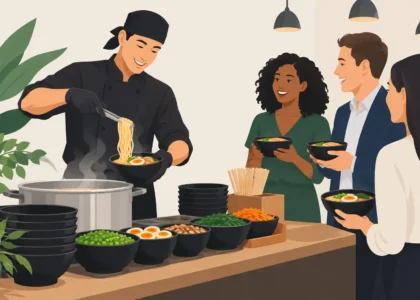
Catering is often a better fit for a larger planned group, especially when you need a coordinated menu and more support around serving. Restaurant dining is ideal when atmosphere is part of the gift you are giving your guests. Instead of cleaning before and after, arranging plates, or worrying about timing, everyone can focus on the conversation and the food.
There is a trade-off with each option. Delivery offers flexibility, but it requires a host who can receive and distribute the order quickly. Catering can offer more structure, but it benefits from earlier planning. Dining in provides the strongest full-service experience, though it requires guests to travel to the restaurant. None is automatically better. The right format is the one that fits your group’s schedule and the kind of memory you want to create.
Small details that make the event feel generous
The most successful food events feel easy because the planning happened before guests arrived. Confirm the final timing. Make sure people know whether food will be served immediately or if there is a short welcome period first. If the event includes drinks, choose options that refresh rather than overpower the broth and savory toppings.
Presentation also deserves attention. Ramen already brings color and texture to the table: glossy broth, green scallions, golden egg, dark nori, and tender slices of chashu. Keep the rest of the table simple and let the bowls do their job. A few shared starters in the center create an inviting, family-style feeling without making the setup busy.
Most of all, avoid treating the meal as an afterthought. If guests are making time to gather, give them something that feels worth sitting down for. A hot bowl of ramen says welcome, stay awhile, and have another bite. That is a strong message for a team, a family, or a table full of friends.
Whether you are planning a casual lunch or a celebration with a little more energy, choose food that gives people a reason to pause together. View Our Menu, Reserve Table, or Order Now – then let the rich broth, tender chashu, and full bowls take care of the warm part.