A steaming bowl of ramen can look simple: broth, noodles, chashu, egg, and a few fresh toppings. But if you are avoiding milk because of an allergy, lactose intolerance, or dietary preference, the question “does ramen contain dairy” deserves more than a quick yes or no. Ramen is often dairy-free by tradition, yet a restaurant recipe, topping, or finishing oil can change the answer.
The good news is that dairy is not a standard requirement for great ramen. The rich, satisfying body in a well-made bowl usually comes from bones, meat, aromatics, soy, miso, sesame, or slow cooking, not cream. Still, every bowl is its own recipe. Asking before you order is the easiest way to enjoy ramen with confidence and keep the focus where it belongs: on deep broth, springy noodles, and a seriously satisfying meal.
Does ramen contain dairy in its traditional form?
Most classic Japanese ramen styles do not naturally contain dairy. Traditional ramen broth is built from ingredients such as pork bones, chicken, seafood, kombu, dried fish, mushrooms, soy sauce, miso, salt, ginger, garlic, scallions, and rendered fat. These ingredients create layers of flavor and a full-bodied finish without milk, cheese, butter, or cream.
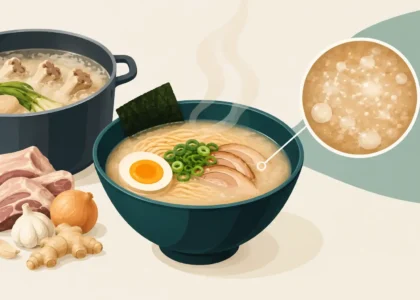
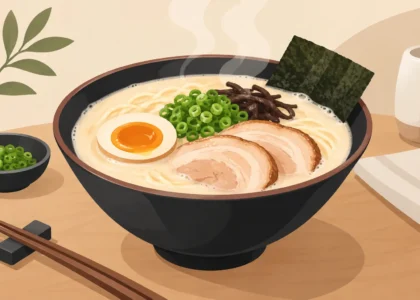
Tonkotsu ramen is a good example. Its pale, creamy-looking broth often leads diners to assume it contains cream or milk. Usually, it does not. Tonkotsu gets its signature richness from pork bones cooked for hours, which release collagen, fat, and marrow into the broth. The result is silky and opaque, but that creamy texture is typically made by cooking technique, not dairy.
Shoyu ramen is also commonly dairy-free. Its clear brown broth is generally seasoned with soy sauce and made from chicken, pork, seafood, or vegetable stock. Shio ramen, a salt-seasoned style, and many miso ramen bowls can also be free from dairy. “Can” is the key word. A house recipe may use ingredients that are not obvious from the menu description.
Where dairy can show up in a ramen bowl
Modern ramen menus are creative for good reason. A chef may finish a broth with butter for extra richness, add cheese for a savory edge, or use a creamy sauce for a limited bowl. Those choices can be delicious, but they mean you cannot judge a ramen bowl by its name alone.
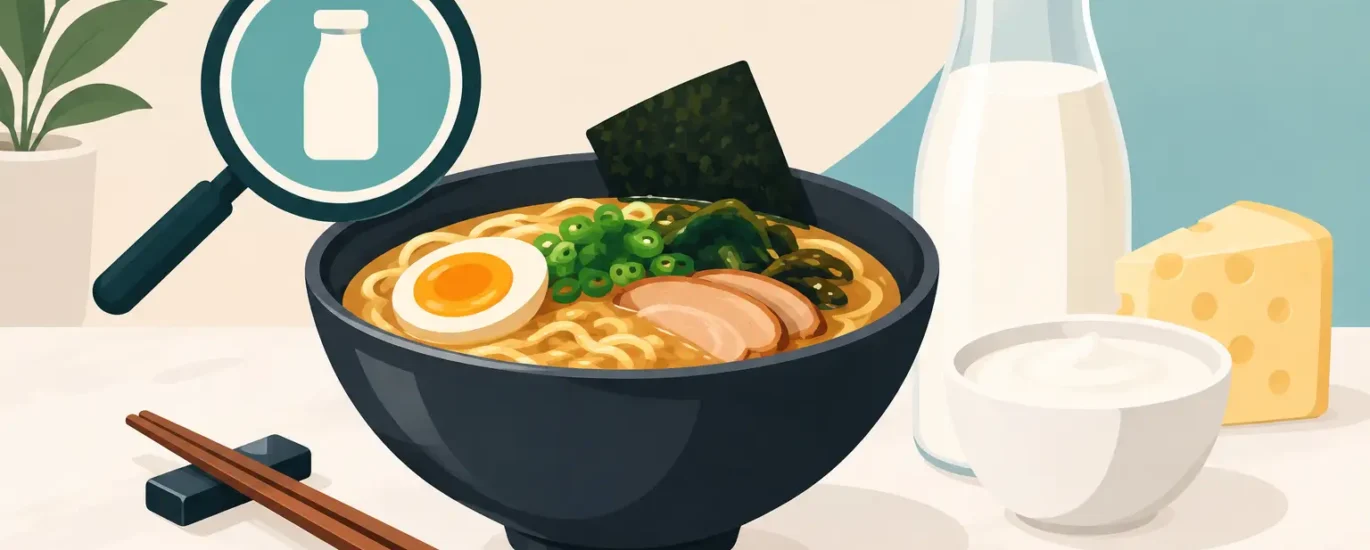
Butter is one of the most common dairy additions. It is especially associated with some miso ramen styles, where it melts into the hot broth and adds a rich, rounded flavor. Cheese ramen is another clear example, often topped with shredded cheese or a cheese sauce. Some fusion-style bowls may use cream, milk, or a dairy-based foam to create a softer, richer profile.
Dairy can also appear outside the broth. A topping may be brushed with butter, a spicy sauce may contain mayonnaise or a creamy base, and a side dish may arrive with a dairy-containing dip. While Japanese mayonnaise is usually egg-based rather than milk-based, recipes vary, and prepared sauces can contain hidden ingredients.
Here are the most useful parts of a ramen order to check:
- The broth, especially butter miso, creamy, cheese, or fusion-style ramen
- Flavor oils and finishing sauces, which may use butter or cream
- Toppings such as cheese, corn butter, creamy chicken, or dairy-based foams
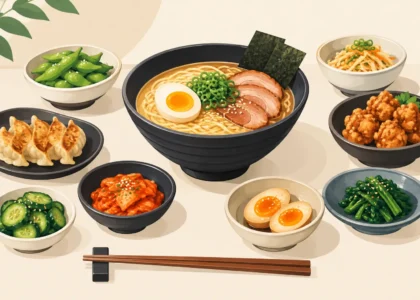
- Side dishes and sauces served with gyoza, fried items, or snacks
The noodles themselves are usually made from wheat flour, water, salt, and kansui, an alkaline ingredient that gives ramen noodles their firm bite and yellow color. They do not usually contain dairy. However, packaged noodles and specialty fresh noodles can have different formulations, so the same rule applies: check the specific product or ask the restaurant.
Dairy-free does not always mean allergy-safe
For someone who simply prefers to avoid dairy, choosing a bowl without milk, butter, cheese, or cream may be enough. For someone with a milk allergy, the decision needs more care. Even a dairy-free recipe can come into contact with dairy during preparation, storage, or service.
Cross-contact can happen when shared utensils, prep surfaces, ladles, fryers, or containers are used for several dishes. A restaurant may be able to leave off cheese or butter, but that does not automatically make the meal suitable for a severe allergy. The right approach is direct and specific: tell your server that you have a milk allergy, not just that you are “dairy-free,” and ask whether the kitchen can safely accommodate it.
Lactose intolerance is different from a milk allergy. Many people with lactose intolerance can tolerate small amounts of dairy, while others cannot. A broth made without milk may still be the better choice, but your own sensitivity and comfort level should guide the order. There is no one-size-fits-all answer, especially with rich foods that are meant to be enjoyed slowly and fully.
How to order ramen without dairy
A little clarity goes a long way. Start by asking whether the broth contains milk, cream, butter, cheese, or other dairy ingredients. Then ask about the toppings and any sauce or oil added at the end. This is particularly helpful when the menu uses descriptions like “creamy,” “rich,” “signature,” or “special.” Those words may refer to a beautifully concentrated bone broth, but they may also point to a dairy addition.
You can keep the conversation simple: “Is this ramen made with any milk, butter, cream, or cheese?” If you have an allergy, follow with: “Can the kitchen avoid cross-contact with dairy?” A good restaurant will understand the difference and give you a clear answer rather than a guess.
If you are ordering delivery, use the special instructions field for your dietary need and consider calling the restaurant if the information is not confirmed. Delivery is wonderfully convenient when a ramen craving hits, but allergies are one situation where a quick conversation can make the order much more comfortable.
At Kagerou Ramen House, diners can ask the team about ingredients before choosing a bowl. It is the kind of question worth asking, whether you are settling in for a cozy dinner or planning a comforting meal at home.
Ramen ingredients that people often confuse with dairy
Several ramen ingredients look or taste creamy without containing milk. Knowing the difference can make ordering much easier.
Tonkotsu broth is the biggest source of confusion. The cloudy white appearance comes from emulsified pork fat and collagen after long cooking, not necessarily from cream. Sesame paste or ground sesame can also make a broth feel lush and nutty without adding dairy. Miso contributes depth, saltiness, and a mellow richness that can read as creamy on the palate.
Soft-boiled ajitama eggs are another common question. They are usually marinated in soy-based seasoning and do not typically contain dairy. Chashu, the tender braised pork that gives a ramen bowl its hearty centerpiece, is also generally dairy-free, though a restaurant may use butter in a glaze or finishing step.
Plant-based ramen deserves its own check, too. Vegan does not always mean free from every allergen, and dairy-free does not always mean vegan. A vegan broth may use soy milk, sesame, coconut milk, or nut-based ingredients for body. These are not dairy, but they may matter if you are also avoiding soy, coconut, or nuts.
What about instant ramen?
Instant ramen is less predictable than a restaurant bowl. The noodle cake may be dairy-free, while the seasoning packet contains milk powder, whey, cheese flavoring, butter flavor, or other milk-derived ingredients. Creamy varieties are obvious candidates, but even chicken, beef, or spicy flavors can contain dairy in the seasoning.
Read both the ingredient list and the allergen statement on the package. Look for words such as milk, whey, casein, lactose, butter, cream, cheese, and milk powder. If you have a milk allergy, also pay attention to advisory statements about shared equipment. Ingredient lists can change, even for a familiar brand, so a quick label check is always worthwhile.
A great ramen meal should feel generous, comforting, and easy to enjoy, not like a guessing game. Choose the bowl that fits your needs, ask clearly about the recipe, and then settle into the good part: hot broth, fresh noodles, and a full belly.