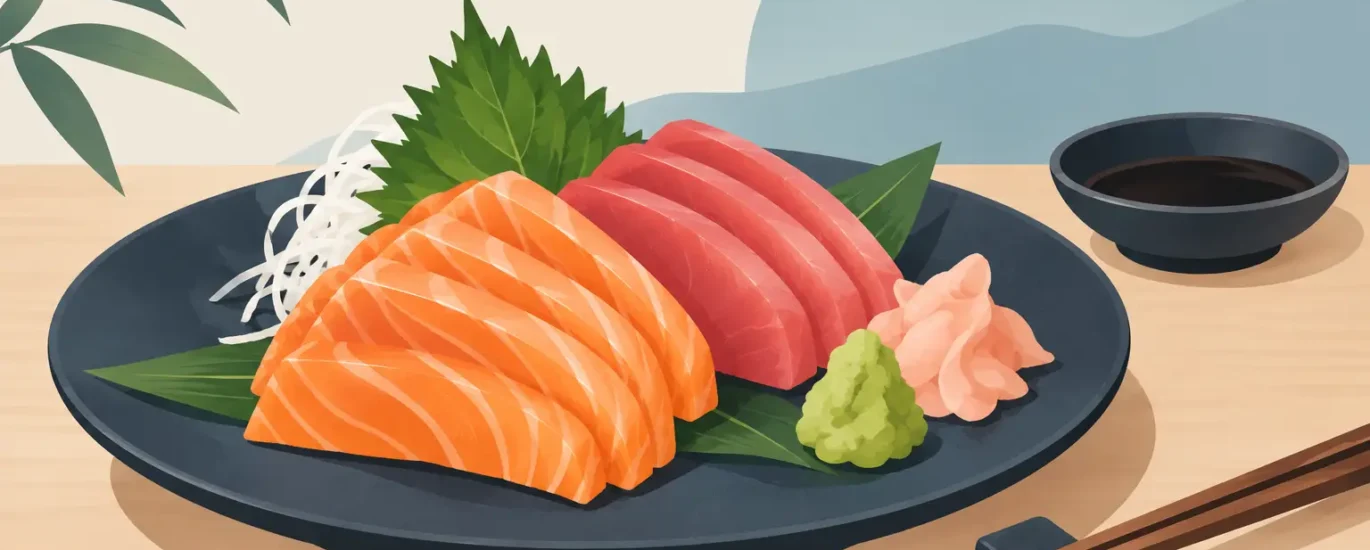
A clean slice of tuna sashimi looks simple, but it carries a lot of care: the fish, the knife work, the temperature, and the moment it reaches your table. So, is sashimi served raw? Usually, yes. Sashimi is most often thinly sliced raw seafood, served without rice so the flavor and texture of the ingredient can stand on their own.
That simple answer comes with a few useful details. “Raw” does not mean carelessly handled, and sashimi is not automatically the same thing as sushi. Knowing the difference makes ordering Japanese food feel much easier – and makes that first cool, delicate bite even more enjoyable.
Is Sashimi Served Raw?
Traditional sashimi is raw seafood, most commonly fish such as tuna, salmon, yellowtail, mackerel, or sea bream. It may also include raw scallop, shrimp, squid, octopus, or other seafood, depending on the restaurant and the season. The seafood is sliced and plated with restraint, often alongside daikon radish, shiso leaf, wasabi, and soy sauce.
The goal is not to hide the fish under sauces or heavy seasoning. Good sashimi should taste clean, fresh, and balanced, with a texture that fits the ingredient. Tuna can be tender and savory, salmon can feel rich and silky, while white fish is often lighter and more delicate.
Still, not every item described as sashimi is completely uncooked. Some restaurants serve lightly seared fish, cured fish, or preparations such as tataki, where the outside is quickly seared while the center remains raw. These dishes are close relatives of sashimi, but they offer a different flavor and texture. If you prefer fully raw fish or want to avoid it, ask your server how a particular dish is prepared.
Sashimi and Sushi Are Not the Same Thing
Sushi is often used as a catch-all term for Japanese food involving fish, but the word actually refers to seasoned rice. A piece of nigiri sushi combines vinegared rice with a topping, often raw fish. A maki roll wraps rice and fillings in seaweed. Those toppings and fillings can be raw, cooked, smoked, or vegetarian.
Sashimi skips the rice. It is the fish or seafood itself, carefully cut and served as the main focus. That means sashimi is often a great choice for diners who want to experience the ingredient directly, without the added sweetness and acidity of sushi rice.
It also means portion sizes can look smaller than a ramen bowl or a rice-based dish. Sashimi is meant to be savored, not rushed. A few well-cut slices can bring plenty of flavor, especially alongside warm ramen, crisp gyoza, or a few shared plates at the table.
Raw Does Not Mean “Just Caught”
One common misunderstanding is that sashimi must come straight from the sea to the plate. Freshness matters, but in a restaurant kitchen, freshness means far more than how recently a fish was caught. It means the seafood has been sourced carefully, stored at the right temperature, handled hygienically, and prepared by people who know how to protect its quality.
For many types of fish intended to be eaten raw, freezing is an essential safety step. Proper freezing can help control parasites while preserving the fish’s taste and texture. This is why “never frozen” is not necessarily a selling point for sashimi. In fact, careful freezing is often part of responsible preparation.
You may hear the term “sushi-grade” or “sashimi-grade.” It is a helpful restaurant shorthand, but it is not a universal official grade with one fixed legal definition. What matters more is a restaurant’s sourcing standards, temperature control, preparation practices, and experience with raw seafood.
At a good Japanese restaurant, sashimi should arrive cold, cleanly cut, and neatly presented. The fish should smell mild and fresh, not strongly fishy. Its surface should look moist and bright, not dried out or dull. Those details are part of the pleasure, not just decoration.
How to Eat Sashimi Without Losing the Flavor
There is no need to make sashimi feel formal or intimidating. Pick up a slice with chopsticks if you are comfortable, or use your fingers if that feels more natural. Add a small amount of soy sauce, if you like, and try a tiny touch of wasabi first. Wasabi is powerful, so a little goes a long way.
Avoid soaking the fish in soy sauce. It can quickly overpower subtle varieties such as sea bream or yellowtail. Think of soy sauce as a seasoning rather than a dip. The same goes for wasabi: it should lift the flavor of the fish, not make your eyes water before you notice what you are eating.
Ginger, when included, is usually best enjoyed between different types of fish. It refreshes your palate, helping you notice the contrast between rich salmon, savory tuna, and lighter white fish. If you are trying sashimi for the first time, start with tuna or salmon. Both are familiar, approachable choices with a satisfying texture.
Is Raw Sashimi Safe to Eat?
For most healthy adults, sashimi from a reputable restaurant can be a safe and enjoyable choice when it has been properly sourced and handled. The key word is reputable. Raw seafood requires discipline at every stage, from supplier to storage to preparation, and that care is not optional.
Some people should take extra precautions with raw or undercooked seafood. Pregnant diners, young children, older adults, and people with weakened immune systems may be advised to avoid raw fish because foodborne illness can pose a greater risk. If you fall into one of these groups, or have a health condition that affects your diet, ask a medical professional for personal guidance.
Allergies are another consideration. Fish and shellfish are common allergens, and a shared preparation area can matter for sensitive diners. Let your server know about an allergy before ordering so the kitchen can guide you toward the best options.
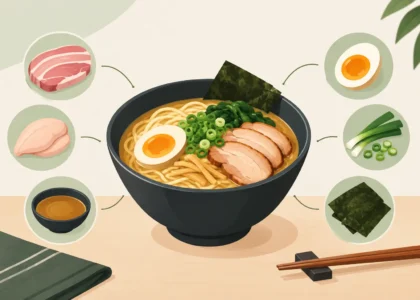
If raw fish is not for you, Japanese menus still offer plenty to enjoy. Ramen brings slow-developed broth, springy noodles, and tender chashu together in one deeply comforting bowl. Gyoza, cooked seafood dishes, and vegetable sides can deliver the same generous Japanese dining experience without raw ingredients.
What Makes Sashimi Worth Ordering
Sashimi is a lesson in simplicity. There is nowhere for an average ingredient or careless knife work to hide. When the fish is excellent and the preparation is precise, the result feels light yet satisfying, elegant without being fussy.
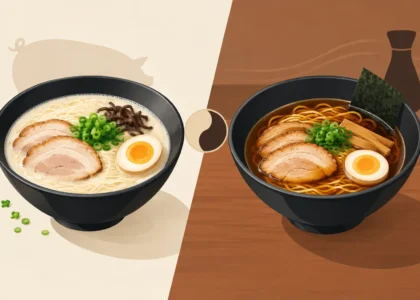
It is also one of the best dishes to share. Order a small sashimi plate for the table, then build the rest of the meal around it. A bowl of rich tonkotsu ramen creates a delicious contrast with cool, clean tuna. A shoyu ramen can pair beautifully with mild white fish, while gyoza adds a crisp, savory bite between slices.
At Kagerou Ramen House, tuna sashimi can be a bright opening to a fuller Japanese comfort-food meal. Take a moment with each slice, then settle into a hot bowl of ramen and leave room for the easy pleasure of sharing food around the table.
The best way to approach sashimi is with curiosity, not rules. Choose a restaurant you trust, ask questions when you have them, and order a familiar fish for your first plate. One carefully prepared slice may be all it takes to find a new favorite.