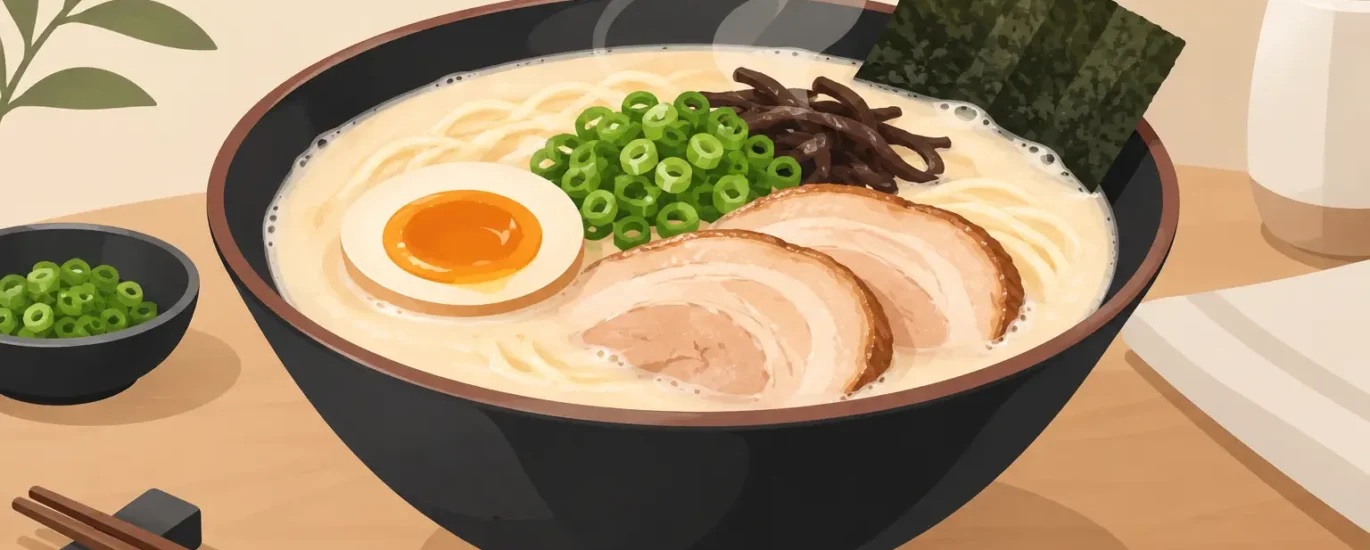
A great bowl announces itself before the first bite. Steam rises, the broth carries a deep savory aroma, and the first sip feels full rather than merely salty. This tonkotsu flavor review is for diners who want to know what makes this ramen style so satisfying, what to expect from its creamy pork broth, and whether it is the right bowl for their appetite.
Tonkotsu is Japanese comfort food with real presence. It is rich, warming, and built for slow, happy eating. For a quick lunch, a rainy-evening dinner, or a late meal with friends, it offers the kind of fullness that makes a bowl of ramen feel like an occasion.
Tonkotsu Flavor Review: What Does It Taste Like?
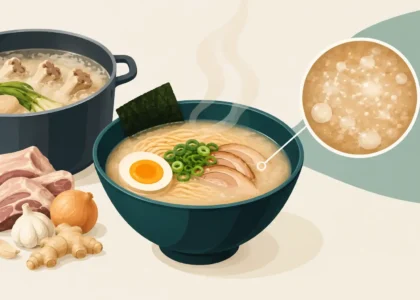
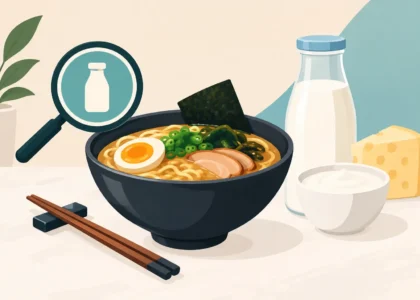
Tonkotsu ramen is known for broth made by simmering pork bones for a long time. The result is not a thin, clear soup. It is pale, creamy-looking, and packed with pork flavor. Despite that silky appearance, traditional tonkotsu broth does not need dairy to taste creamy. Its body comes from the cooking process, which draws gelatin, fat, and marrow into the broth.
The flavor lands in layers. First comes a savory, meaty depth. Then there is a gentle sweetness from the pork and aromatics, followed by a round, almost buttery feeling on the tongue. A well-balanced bowl should feel rich without becoming heavy or greasy. You should want another sip after the noodles are gone.
There is also a pleasant funk to good tonkotsu, though it should never taste unpleasant. Pork-bone broth has a distinct character, more intense than chicken broth and more comforting than a light soy-based ramen. If you enjoy slow-cooked pork, roasted meat juices, or creamy soups with strong savory flavor, tonkotsu is likely your ramen order.
The Broth Is the Whole Point
Broth is where a tonkotsu bowl earns its reputation. When it is done well, it clings lightly to the noodles and tastes concentrated without feeling one-note. Salt and tare, the seasoning base added to ramen broth, sharpen the pork flavor rather than covering it up.
A weaker bowl can taste flat, oily, or overly salty. That is why tonkotsu has a wider range than many first-time diners expect. The best versions have enough depth to feel indulgent but enough balance to remain clean from spoonful to spoonful. A touch of garlic, sesame, chili oil, or pickled ginger can change the experience, but the pork broth should still be the center of attention.
At Kagerou Ramen House, the appeal of Tonkotsu ramen comes down to that comforting balance: a richly flavored broth, tender chashu, properly prepared noodles, and toppings that make every bite feel complete rather than crowded.
Noodles, Chashu, and Toppings Change Every Bite
Tonkotsu is never just about broth, even if the broth gets the attention. The noodles provide structure. They should have a lively bite at first, then soften slightly as they sit in the hot soup. Thin noodles are a classic match because they carry the creamy broth well without turning the bowl into a heavy mouthful.
Chashu, the braised pork topping, adds a second expression of pork flavor. The broth is deep and blended; chashu is more direct. A good slice should be tender enough to pull apart easily while still having enough texture to feel substantial. Its fat should soften into the hot ramen, bringing extra richness without overwhelming the bowl.
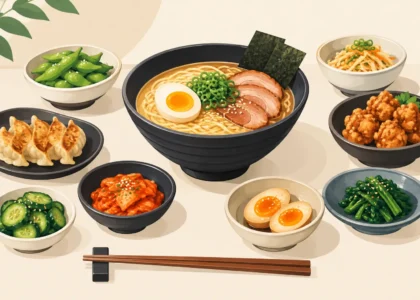
Then come the details that keep tonkotsu interesting. Scallions bring a fresh, sharp lift. A seasoned egg contributes mellow richness. Nori adds a subtle oceanic note, while wood ear mushrooms provide a crisp contrast. These are not decorations. They reset the palate between savory sips and make a rich bowl easier to enjoy all the way through.
Is Tonkotsu Too Rich for First-Time Ramen Diners?
It depends on what you usually enjoy. Tonkotsu is an excellent first ramen for diners who want a bold, comforting meal. Its creamy texture feels familiar even to someone new to Japanese food, and its porky flavor is straightforward and satisfying. It is a bowl for people who want dinner to feel generous.
If you prefer lighter soups, a shoyu ramen may be a better starting point. Shoyu broth is typically clearer and more soy-forward, with a cleaner finish. Tonkotsu is the choice when you are hungry, craving something warming, or looking for the most indulgent ramen-house experience on the menu.
You can also make the bowl fit your mood. Add chili for heat, garlic for punch, or extra scallions for freshness. Choose gyoza or sashimi on the side if you are sharing the table, but remember that tonkotsu is already a filling main course. Sometimes the best order is simply the ramen, served hot, followed by one more sip of broth.
How to Get the Most From a Tonkotsu Bowl
Start with the broth before stirring everything together. That first spoonful tells you what the kitchen intended: the pork depth, seasoning level, and warmth of the bowl. Next, try the noodles with a little broth. Once you add chili oil, garlic, or other condiments, the flavor becomes more personal, which is great, but you only get one first taste.
Eat while the bowl is hot. Ramen changes as it sits. The noodles absorb broth, the chashu softens further, and the surface fat cools. None of that is wrong, but tonkotsu is at its most vivid in the first several minutes, when the noodles still have spring and the broth feels glossy and fragrant.
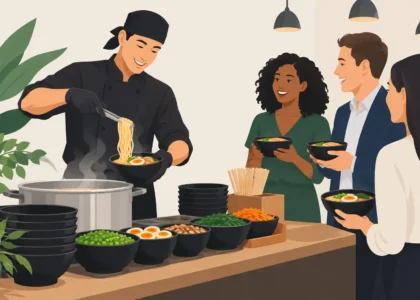
For dine-in, tonkotsu is especially rewarding when you can settle in, enjoy the aroma, and eat at the bowl’s natural pace. For delivery, serve it as soon as it arrives and stir gently before tasting so the broth and seasoning are evenly combined. A little attention goes a long way with a bowl this flavorful.
The Final Verdict on Tonkotsu Flavor
Tonkotsu earns its loyal following because it delivers comfort with personality. It is creamy but not bland, pork-forward but not just meaty, and rich enough to satisfy a serious appetite. Its best quality is how complete it feels: savory broth, tender chashu, springy noodles, fresh toppings, and a finish that invites another bite.
If you are choosing ramen based on fullness, warmth, and deep savory flavor, tonkotsu is hard to beat. Reserve a table when you want the full ramen-house moment, or order a hot bowl when comfort needs to come to you. Either way, give the broth your first attention – it is where the craving starts.