A Japanese menu can look deceptively simple: a bowl of ramen, a plate of gyoza, a few slices of sashimi. Yet the best meal comes from knowing how those choices fit together. This Japanese menu ordering guide is for anyone who wants to order with confidence, whether you are stopping in after work, planning a relaxed dinner with friends, or trying Japanese comfort food for the first time.
Start with appetite, not with rules. Japanese dining has plenty of traditions, but a great order should feel satisfying to you. Choose the bowl, small plate, or combination that matches how hungry you are, then make room for the details that make the meal memorable: rich broth, springy noodles, tender pork, fresh fish, and a few bites to share across the table.
Start Your Japanese Menu Ordering Guide With Ramen
For many diners, ramen is the main event. It is a complete bowl built around broth, noodles, toppings, and balance. The easiest way to choose is to begin with the broth style, because that is where most of the bowl’s personality lives.
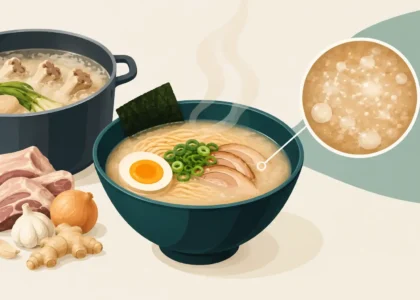
Tonkotsu ramen is made with a pork-based broth that is slow-cooked until it becomes creamy, rich, and deeply savory. It is a strong choice when you want a filling, comforting bowl with a fuller mouthfeel. Chashu, or braised pork belly or pork shoulder, is a natural match here, especially when you are craving something warm and substantial.
Shoyu ramen is seasoned with soy sauce and often has a clearer, lighter-bodied broth than tonkotsu. That does not mean it lacks flavor. A good shoyu bowl can be fragrant, savory, and layered without feeling heavy. Choose it when you want a classic ramen experience with a cleaner finish, or when you plan to add a side dish and do not want everything on the table to feel too rich.
There is no universal “best” ramen. Tonkotsu usually suits a big appetite and a cold evening; shoyu can be the better fit for lunch, a first ramen order, or a meal where you also want sashimi or gyoza. Ask your server which bowl is closest to creamy, light, spicy, or savory if the menu descriptions leave you undecided.
Once your bowl arrives, eat it while it is hot. Ramen noodles soften as they sit, and the broth is at its best when the aroma is still rising from the bowl. A spoonful of broth first is a good way to understand the base before the noodles and toppings mingle into every bite.
Know What the Toppings Add
Ramen toppings are not just decoration. Chashu brings tender richness, a soft egg adds creaminess, scallions provide a fresh lift, and nori adds a gentle roasted sea flavor. Bamboo shoots can bring a crisp contrast, while chili oil or spice adds heat and fragrance.
If you are unsure about an ingredient, asking is always better than leaving it untouched. Some toppings have pronounced flavors, particularly seaweed, pickled vegetables, or spicy pastes. The trade-off is simple: customizing can help you get exactly what you like, while trying the bowl as designed gives you the chef’s intended balance. For a first visit, try the bowl as it arrives before adding extra chili, soy sauce, or other condiments.
Add Gyoza When You Want Something Shareable
Gyoza are Japanese pan-fried dumplings, often filled with seasoned pork and vegetables. They make an easy starter for two people, but they are also a smart addition when you want a little more texture alongside ramen. The ideal gyoza has a crisp browned base, a tender wrapper, and a juicy filling.
If ramen is your main course, a small plate of gyoza is usually enough to turn dinner into a fuller experience without overwhelming the table. For a group, order one plate to share first, then add another only if everyone is still hungry. That keeps the meal relaxed and leaves room for the ramen to shine.
Dip gyoza lightly rather than soaking it. The dipping sauce is meant to sharpen the savory filling, not cover it completely. If the table has chili oil, add a little at a time. A few drops can bring warmth; too much can hide the flavor of the dumpling and make the next sip of broth taste flat.
Choose Sashimi for Freshness and Contrast
Sashimi is sliced raw fish served without rice. It is a different kind of comfort food from ramen: clean, delicate, and focused on the quality of the fish. Tuna sashimi, for example, has a smooth, meaty texture and a mild savory flavor that works well as a starter or a shared plate.
Order sashimi when you want contrast. A few fresh slices before a rich bowl of ramen can make the whole meal feel more varied. It is also a good option for diners who want something lighter before noodles, or for a table where not everyone wants the same kind of meal.
Use soy sauce with a light hand. A small dip is enough, especially with fish that has been carefully prepared. Wasabi is optional, and its heat is sharper than chili heat. Start with a tiny amount if you are new to it. If you have a seafood allergy, are pregnant, or need to avoid raw foods for health reasons, choose cooked dishes and let your server know about dietary needs.
A Simple Order for Different Appetites
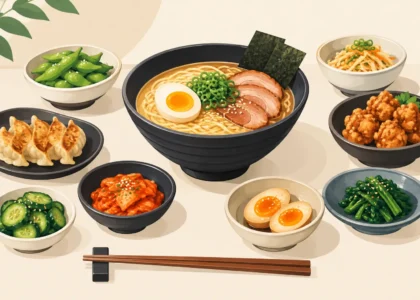
A solo lunch might be one ramen bowl, with gyoza if you are especially hungry. For dinner with a friend, two different ramen broths plus one shared plate of gyoza is an easy way to compare flavors without over-ordering. If you want a longer, more social meal, start with sashimi, share gyoza, and follow with ramen.
The size of your appetite matters more than ordering every category. Ramen is satisfying on its own. Sashimi and gyoza add variety, but they are not requirements. A focused order is often better than a crowded table where the best bites go cold.
How to Use Japanese Condiments Without Losing the Dish
Japanese restaurant tables may include soy sauce, chili oil, vinegar, sesame, or other seasonings. These are invitations, not instructions. The kitchen has already built flavor into the broth, dumpling filling, and fish preparation.
Taste first, then adjust. Add spice to ramen gradually, especially with a rich pork broth, where chili can quickly take over. For gyoza, a little soy sauce and vinegar can add brightness. For sashimi, keep the sauce minimal so you can still taste the fish.
Slurping ramen noodles is completely acceptable and can help cool them slightly as you eat. You do not need to perform perfect etiquette to enjoy Japanese food, though. Use chopsticks if you are comfortable, ask for a fork if you need one, and focus on eating while the food is at its best. Good hospitality should make a first-time diner feel welcome, not tested.
Order for the Kind of Meal You Want
A quick meal and a lingering dinner call for different choices. If you are short on time, a ramen bowl gives you warmth, protein, noodles, and broth in one satisfying order. If you are meeting friends, shared gyoza and sashimi create more conversation between bites. For a group occasion, a mix of bowls and shareable starters gives everyone a chance to find a favorite.
At Kagerou Ramen House, that can mean choosing a rich Tonkotsu bowl when comfort is the goal, a Shoyu bowl when you want something more savory and light on its feet, or a table of gyoza and fresh sides for a more social meal. Reserve a table when you want the full cozy dinner experience, or order your favorites when a great bowl at home sounds better.
The best Japanese order is the one that leaves you warm, full, and already thinking about the next bowl. Start with the flavor you are craving, add one shared plate if it suits the moment, and let the first bite tell you what to try next time.