A table full of lukewarm finger food can make an event feel forgettable. A steaming bowl of ramen, with fragrant broth, springy noodles, tender chashu, and bright toppings, gives guests something to talk about. So, is ramen good for events? Absolutely, when the service is planned around the size, timing, and style of the gathering.
Ramen brings more personality than a standard sandwich platter and more comfort than a tray of snacks. It works especially well for occasions where people want a proper meal, not just something to pick at between conversations. From office lunches and birthday dinners to casual celebrations and late-night group gatherings, ramen can turn food into part of the experience.
Is Ramen Good for Events of Every Kind?
Ramen is a strong choice for events that feel relaxed, social, and food-focused. It is warm, filling, familiar enough for first-time guests, and exciting enough for people who already love Japanese comfort food. A rich Tonkotsu bowl can satisfy the hungriest guest, while Shoyu ramen offers a savory, lighter-style option with plenty of depth.
The best fit is an event where guests can sit down, gather around tables, or take a real break to eat. Think team lunches, university celebrations, family gatherings, small receptions, dinner parties, and group meetups. Ramen also suits cold-weather occasions beautifully, though a well-built bowl has plenty of appeal year-round.
It is not the answer to every event. If guests will be standing in a crowded room with no tables, carrying a bowl of broth may be less practical than hand-held food. If the schedule allows only five minutes for eating, ramen deserves more time than that. The question is not simply whether ramen is good for events. It is whether your event gives guests the space to enjoy it properly.
Why Guests Remember a Ramen Event
A good event meal should do more than stop people from getting hungry. It should feel generous, look inviting, and give different kinds of guests an easy way to enjoy the moment. Ramen checks those boxes because every bowl arrives with warmth, color, and real substance.
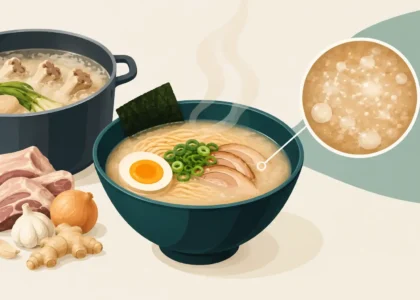
There is also a sense of occasion in a restaurant-quality ramen meal. Deep broth, carefully prepared noodles, tender slices of chashu, soft eggs, scallions, and other fresh accompaniments create a bowl that feels considered. Guests notice the difference between food that was chosen to fill a table and food that was chosen to make the gathering better.
Ramen is naturally conversation-friendly, too. People compare broths, trade topping recommendations, order a side of gyoza for the table, and introduce friends to a favorite Japanese dish. That shared discovery works well for mixed groups, including guests who know ramen well and those trying it for the first time.
For hosts, the value is equally clear. Instead of coordinating several separate meal preferences with a generic menu, you can offer a focused dining experience that still gives people options. A thoughtful ramen selection, a vegetarian-friendly choice where available, and a few shareable sides can cover a lot of ground without making the order complicated.
The Main Challenge: Keeping Ramen at Its Best
Ramen has one non-negotiable rule: it is best when it is fresh. Noodles continue to soften in hot broth, which means timing matters more than it would for many catered foods. This is not a reason to avoid ramen. It is a reason to choose a restaurant or caterer that understands how to serve it well.
For a restaurant gathering, the simplest option is often to reserve a table and let the bowls arrive directly from the kitchen. Guests get hot broth, properly prepared noodles, and the full visual presentation that makes ramen so satisfying. It is an easy choice for groups that want a cozy setting and a meal that feels like a real night out.
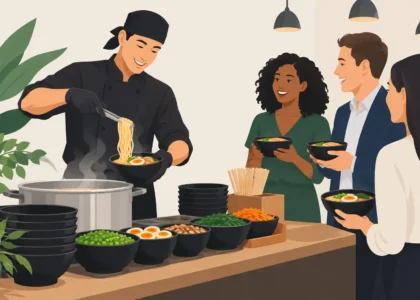
For off-site catering, ask how the food will be packed, delivered, and finished. The most effective approach may separate noodles and broth until serving time, especially for a larger order or a venue farther from the kitchen. Toppings can be organized so guests can add the finishing touches themselves, keeping bowls fresher and making the meal feel interactive rather than mass-produced.
If you are planning delivery for a smaller gathering, schedule it as close as possible to mealtime. Set out bowls, chopsticks, spoons, napkins, and a clear serving area before the food arrives. A little preparation helps everyone sit down and enjoy the meal while it is still at its peak.
How to Plan a Ramen Menu for a Group
The easiest event menu is not the one with the most choices. It is the one that gives guests enough variety while keeping service smooth. Start with two or three ramen styles that represent different preferences. A creamy, pork-forward Tonkotsu can be the hearty centerpiece, while a soy-based Shoyu option offers a different kind of savory comfort.
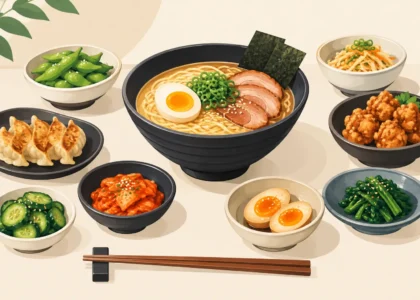
Then add a few dishes made for sharing. Gyoza is an easy crowd-pleaser that works as a starter or a side. Tuna sashimi can add a lighter, fresh contrast for guests who want something beyond a bowl of noodles. Extra noodles, rice, or vegetable sides may make sense depending on the menu and the appetite of your group.
Before placing the order, get a realistic headcount and ask guests about dietary needs. This matters for any event meal, but it is particularly helpful with ramen because broths, proteins, and toppings can vary significantly. Do not guess. A quick RSVP question about allergies, vegetarian needs, spice preferences, and pork or seafood restrictions gives the host and restaurant time to plan a better meal.
For a lunch event, one bowl per guest with a shared appetizer or two is usually satisfying. For dinner or a celebration that will run longer, add more sides and consider a little extra food for late arrivals or especially hungry guests. Students after class, coworkers after a long meeting, and friends celebrating a birthday often have bigger appetites than the organizer expects.
Match the Service Style to the Occasion
A sit-down group dinner is where ramen shines brightest. Guests can choose their bowl, settle in, and enjoy the cozy pace of a restaurant meal. For hosts in Tallinn, Kagerou Ramen House offers a welcoming setting for exactly this kind of occasion, where a reservation turns a casual gathering into a memorable plan.
Office events require a slightly different approach. If the group has a lunch hour, arrange a delivery time that gives everyone at least 30 minutes to eat. Avoid booking ramen for the final ten minutes of a packed workshop or presentation. Warm broth and noodles deserve an actual lunch break.
At-home events can be even more relaxed. Set up a ramen table with bowls, toppings, drinks, and sides ready to go. Keep the gathering informal, but do not treat the meal like an afterthought. Guests will appreciate being invited to sit down with something hot and satisfying rather than balancing a paper plate on their lap.
For bigger celebrations, consider serving ramen in waves. Rather than having every guest assemble a bowl at the same moment, organize the group by arrival time, table, or activity schedule. This helps keep the serving area calm and gives the food the attention it deserves.
A Few Details That Make the Difference
Good ramen does not need elaborate event styling. It already brings color and comfort to the table. What it does need is the right equipment and a little room to enjoy it. Make sure there are sturdy bowls, both spoons and chopsticks, napkins, and a place for guests to sit or stand comfortably while eating.
Drinks should be simple and refreshing. Sparkling water, Japanese sodas, tea, beer, or a few nonalcoholic options pair naturally with a rich bowl. If the event includes dessert, choose something light so the ramen remains the center of the meal rather than one course in an overloaded menu.
Most of all, order from a place that treats ramen as a complete experience. Great broth, noodles with the right bite, fresh toppings, and careful presentation are not minor details. They are the reason people remember the meal after the event is over.
When the occasion calls for warmth, flavor, and a full belly, ramen is more than a practical catering choice. Give guests a bowl worth slowing down for, and the food may become the part of the event they bring up first.